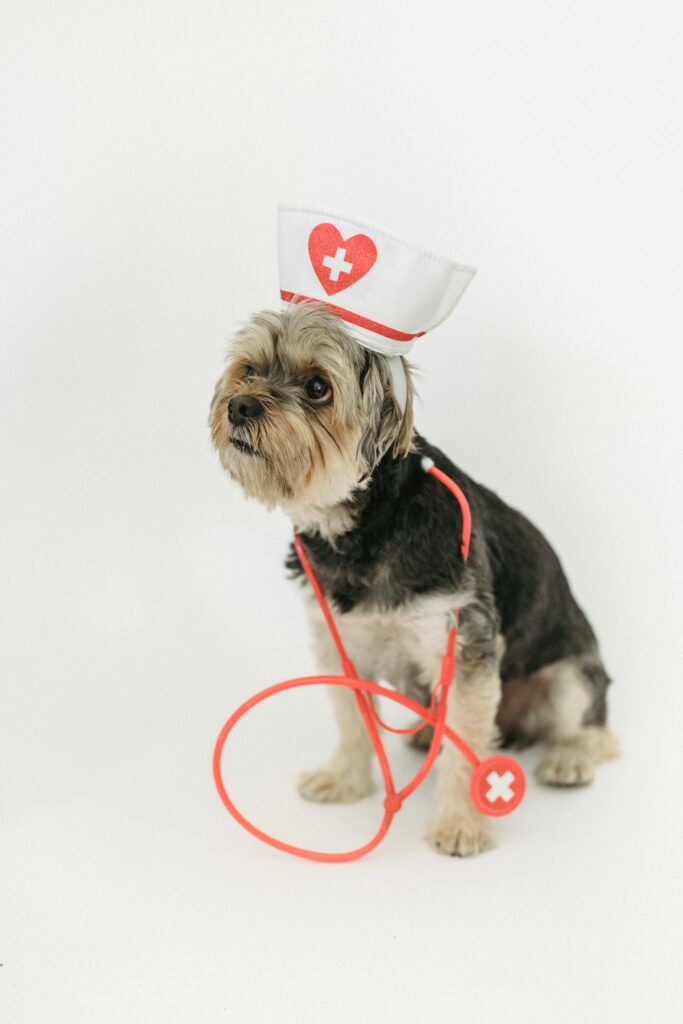
Bringing a new puppy home is exciting — but it’s also the beginning of a lifelong health journey. Just like human babies, puppies need proper medical care and vaccinations to stay strong, healthy, and protected from serious diseases. The first few vet visits are crucial, not only for physical health but also for socialization and trust-building.
_____
 The Importance of Early Veterinary Care
Your puppy’s first vet visit sets the foundation for their entire health record. During this appointment, your veterinarian will:
-
Perform a complete physical examination (eyes, ears, heart, lungs, teeth, skin).
-
Discuss nutrition, parasite prevention, and proper growth milestones.
-
Review your puppy’s vaccination schedule and any previous breeder records.
-
Address behavioral or training questions early on.
 Tip: Schedule the first vet visit within the first week of bringing your puppy home, even if the breeder or shelter claims all shots are up-to-date. It ensures your vet has a complete medical baseline.
 Core Vaccinations: The Essential Shield
Vaccinations protect your puppy from dangerous, sometimes fatal diseases. Core vaccines are recommended for all dogs, regardless of breed or lifestyle:
| Vaccine | Protects Against | First Dose | Booster |
|---|---|---|---|
| DHPP | Distemper, Hepatitis, Parvovirus, Parainfluenza | 6–8 weeks | Every 3–4 weeks until 16 weeks |
| Rabies | Fatal viral disease, required by law | 12–16 weeks | 1 year, then every 1–3 years |
| Bordetella | Kennel cough | 8–12 weeks | Annually |
 Note: Your vet may adjust the schedule depending on your puppy’s breed, health condition, and regional disease risks.
 Non-Core Vaccines: Based on Lifestyle
Some vaccines are optional but highly beneficial for dogs exposed to certain environments or other animals.
-
Leptospirosis: For dogs that go outdoors often or live near wildlife or farms.
-
Lyme Disease: Recommended for areas with high tick activity.
-
Canine Influenza: For dogs that visit groomers, dog parks, or boarding facilities.
Ask your vet which ones make sense for your dog’s lifestyle — prevention is always cheaper and easier than treatment.
 Making the First Vet Visit a Positive Experience
The first vet visit can be overwhelming for a puppy. Turn it into a positive, calm event to build confidence.
Before the visit:
-
Bring treats and a favorite toy.
-
Let your puppy explore the carrier or leash calmly.
-
Stay relaxed — dogs pick up on your emotions.
During the visit:
-
Reward calm behavior with praise and treats.
-
Allow your vet to handle your puppy gently and slowly.
-
Take notes or record advice — especially about feeding, parasite control, and follow-up dates.
After the visit:
-
Offer playtime or a small reward at home to associate vet visits with positive experiences.
 Keeping Track of Vaccination Records
Maintain a pet health file (digital or physical) that includes:
-
Vaccine names, dates, and lot numbers.
-
Deworming and flea/tick treatments.
-
Weight and growth progress.
-
Any medications or health notes.
Many clinics now offer pet portals or apps that automatically track your dog’s medical history — take advantage of these for reminders and updates.
 Final Thoughts
Early vaccinations and vet visits aren’t just about preventing illness — they set the stage for a long, healthy, and stress-free life. Each appointment strengthens your bond with your pet and helps your veterinarian understand their unique needs.
A healthy puppy grows into a confident, happy companion — and it all begins with that very first vet visit.