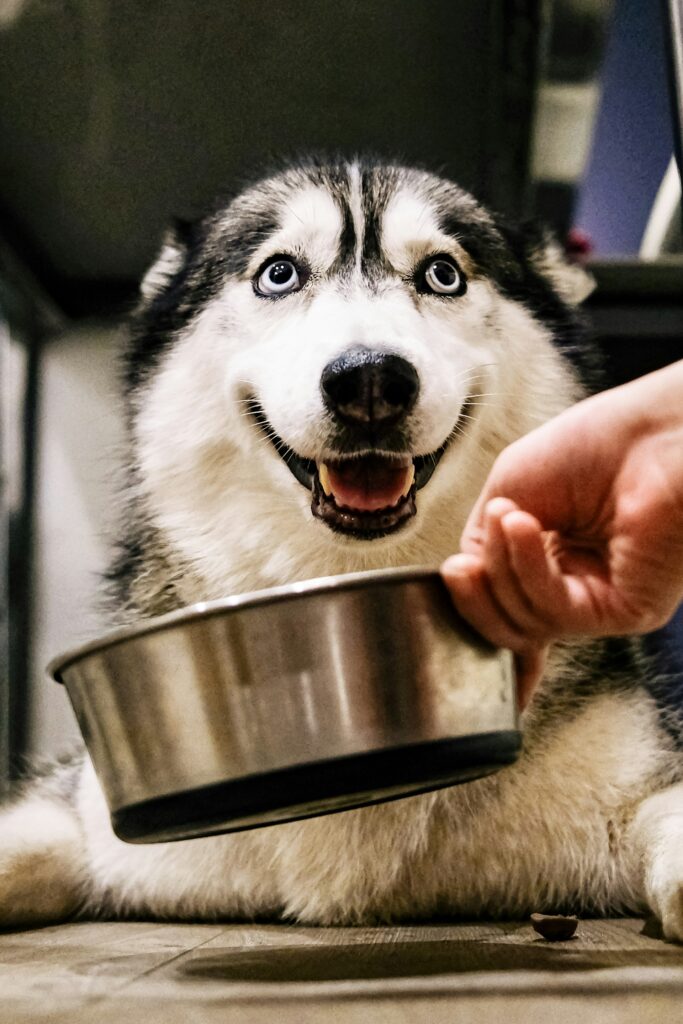
Every dog owner knows that pleading look during mealtime — those big, hopeful eyes begging for a bite of what’s on your plate.
But not all human foods are safe for dogs, and some can be downright dangerous.
To help you keep your furry friend healthy, here’s a complete guide to human foods dogs can and can’t eat, along with a few surprising “maybe” items that depend on portion and preparation.
For a deeper understanding of your dog’s overall temperament, size, and health needs, explore our Detailed Profiles on Temperament, Size, Health & Care
Let’s separate the treats from the troublemakers.
_____
✅ Human Foods Dogs Can Eat (In Moderation)
Dogs can enjoy a variety of safe, nutritious human foods — as long as they’re given in moderation and prepared properly.
🥕 1. Vegetables and Greens
Carrots: Great for teeth and low in calories.
Green beans: Full of fiber and vitamins.
Broccoli (small amounts): Rich in antioxidants but may cause gas if overfed.
Cucumbers: Perfect for hydration and weight control.
Sweet potatoes (cooked): Excellent source of fiber and beta-carotene.
💡 Tip: Always serve vegetables plain — no butter, oil, or seasoning.
🍎 2. Fruits
Apples: Provide vitamins A and C, but remove seeds and core (contain cyanide).
Blueberries: Full of antioxidants for brain and heart health.
Bananas: A good source of potassium — best as an occasional treat.
Watermelon: Hydrating and safe if seedless.
Strawberries: Naturally sweet and high in vitamin C.
🚫 Avoid grapes and raisins — even a small amount can be toxic (more on that below).
🍗 3. Proteins and Meats
Chicken, turkey, and beef (cooked, unseasoned): Great sources of lean protein.
Eggs: Cooked eggs are safe and nutritious.
Salmon: Cooked salmon supports healthy skin and coat.
Plain yogurt: Provides probiotics — just make sure it’s unsweetened and xylitol-free.
⚠️ Avoid feeding raw meats unless you’ve discussed it with your vet — bacteria like salmonella can pose risks.
🍞 4. Grains and Carbohydrates
White or brown rice: Gentle on upset stomachs.
Oatmeal: Great source of soluble fiber, especially for senior dogs.
Whole grain bread (small amount): Fine occasionally — avoid added sugar.
Quinoa: A healthy, protein-packed alternative to grains.
🧀 5. Dairy (in small amounts)
Some dogs tolerate dairy; others don’t.
Cheese (low-fat): Good training treat for lactose-tolerant dogs.
Cottage cheese: Gentle on the stomach and rich in calcium.
🧡 Watch for signs of lactose intolerance — gas, bloating, or diarrhea.
For more on nutrient-rich ingredients and how science supports their benefits, check out our article on Superfoods for Dogs: Hype vs. Science
🚫 Human Foods Dogs Should NEVER Eat
Some foods are highly toxic to dogs — even in small quantities.
Keep these out of reach at all times.
🍫 1. Chocolate
Contains theobromine and caffeine, both toxic to dogs. Dark chocolate is the most dangerous.
Symptoms: vomiting, tremors, irregular heartbeat, seizures.
🍇 2. Grapes and Raisins
Even a few can cause sudden kidney failure.
There’s no safe amount — avoid completely.
🧅 3. Onions, Garlic, and Chives
These destroy red blood cells and cause anemia over time.
Avoid any foods containing onion or garlic powder too (soups, sauces, baby food).
🍬 4. Xylitol (Artificial Sweetener)
Found in sugar-free gum, candy, peanut butter, and even toothpaste.
Xylitol causes a dangerous drop in blood sugar and can lead to liver failure.
☕ 5. Caffeine (Coffee, Tea, Energy Drinks)
Dogs are much more sensitive to caffeine than humans.
Even small amounts can cause hyperactivity, tremors, or heart problems.
🍷 6. Alcohol
Never, under any circumstances, give your dog alcohol.
Even a small lick of beer or wine can lead to vomiting, disorientation, or respiratory failure.
🍫 7. Macadamia Nuts and Other Nuts
Macadamia nuts are toxic; others like almonds or walnuts can cause choking or pancreatitis due to high fat content.
🍞 8. Raw Dough or Yeast
Yeast expands in the stomach and releases alcohol as it ferments — a double hazard.
⚖️ “Maybe” Foods – Safe Only in the Right Amount or Form
These foods fall into the gray area — safe for some dogs, risky for others.
| Food | Safe? | Notes |
|---|---|---|
| Peanut butter | ✅ | Choose unsalted, xylitol-free varieties only. |
| Popcorn | ✅ | Plain, air-popped only; avoid butter or salt. |
| Coconut | ✅ | Small amounts of coconut oil or flakes can boost skin health. |
| Avocado | ⚠️ | Flesh is mostly safe; pit and skin contain persin (toxic). |
| Tomatoes | ⚠️ | Ripe tomatoes are okay; green ones or stems contain solanine. |
| Cheese | ✅ / ⚠️ | Fine in moderation unless lactose-intolerant. |
🍽️ How to Safely Share Food with Your Dog
Keep portions small: Human food should never exceed 10% of your dog’s daily calories.
Avoid seasonings: No salt, sugar, onions, or garlic.
Cook meats and eggs thoroughly.
Introduce new foods gradually to prevent stomach upset.
When in doubt, ask your vet.
💛 Final Thoughts
Sharing a little food with your dog can be a sweet way to bond — but only if you know what’s safe.
Use this list as your guide, and remember: when it comes to your dog’s diet, simplicity and moderation are key.
And if you’re considering which breeds adapt best to different living spaces, check out our Best Dog Breeds for Apartment Living guide for calm, space-friendly companions.
Your dog trusts you to make healthy choices — so keep those meals wholesome, safe, and full of love.