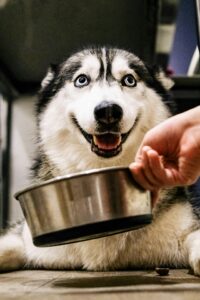
Feeding your dog might seem simple — scoop the kibble, fill the bowl, and watch them wag their tail.
But what many American dog owners don’t realize is that small daily habits can quietly lead to big health problems.
From overfeeding and poor portioning to giving the wrong treats or “human food,” these mistakes are surprisingly common — and often made with the best intentions.
Let’s look at the seven feeding mistakes most U.S. dog owners make, what science says about them, and how to fix them for a healthier, happier pup.
_____
🍽️ 1. Overfeeding — The Silent Health Killer
One of the most widespread feeding mistakes in America is simple: too much food.
Nearly 60% of U.S. dogs are overweight or obese, according to the Association for Pet Obesity Prevention.
Extra pounds don’t just affect looks — they increase the risk of heart disease, joint problems, diabetes, and shorter lifespans.
✅ Fix it:
Follow the feeding guidelines on your dog food label — and adjust based on activity level.
Ask your vet to help determine your dog’s ideal weight and daily calorie needs.
Use a measuring cup, not “eyeballed” scoops.
💡 If you’re unsure how much to feed, use a digital dog food scale or a smart feeding tracker for accuracy.
🥩 2. Feeding Table Scraps and Human Food
We love sharing our meals with our dogs — but what’s harmless to humans can be toxic to them.
Foods like onions, garlic, grapes, chocolate, and xylitol (found in sugar-free gum and peanut butter) are extremely dangerous.
Even safe human foods, when given too often, can unbalance your dog’s diet and lead to obesity or digestive issues.
✅ Fix it:
Treats and extras should never exceed 10% of daily calories.
Learn which human foods are safe — read our guide:
👉 Human Foods Dogs Can and Can’t Eat – The Complete List
💬 “A little bite here and there” adds up faster than most owners think.
🦴 3. Inconsistent Feeding Schedule
Dogs thrive on routine — including when they eat.
Feeding at irregular times can cause anxiety, begging, or digestive problems, especially in puppies.
✅ Fix it:
Feed adult dogs twice a day, 8–12 hours apart.
Stick to consistent times each day.
Remove uneaten food after 15–20 minutes to prevent grazing.
💡 Dogs associate meal timing with structure and trust — consistency builds security.
🐕 4. Ignoring Breed, Age, and Size Differences
Not all dogs have the same nutritional needs.
A Chihuahua and a Great Dane might both love chicken — but their calorie, protein, and fat requirements are worlds apart.
✅ Fix it:
Choose food formulated for your dog’s life stage (puppy, adult, senior).
Consider breed-specific needs — some dogs are prone to allergies, joint issues, or sensitive stomachs.
Read more in our article:
👉 Detailed Profiles on Temperament, Size, Health & Care
💬 Puppies need more calories for growth; seniors need fewer calories but higher-quality protein.
💧 5. Not Providing Enough Fresh Water
A hydrated dog is a healthy dog — yet many owners underestimate how much water their pets actually need.
Dehydration can cause fatigue, dry nose, kidney issues, and even urinary infections.
✅ Fix it:
Ensure fresh, clean water is always available.
Clean bowls daily to prevent bacteria buildup.
Offer extra water during hot weather or after exercise.
💡 If your dog doesn’t drink much, try a pet water fountain — dogs often prefer running water.
🍗 6. Feeding Poor-Quality or Mismatched Food
The cheapest kibble on the shelf isn’t always a good deal.
Low-quality fillers, artificial preservatives, or unbalanced nutrients can lead to chronic health issues and dull coats.
✅ Fix it:
Look for foods that list real meat as the first ingredient.
Avoid foods with “by-products,” “corn gluten meal,” or artificial colors.
Choose reputable brands with AAFCO-compliant formulas.
💬 If your dog’s coat looks dull or shedding increases, it’s often a sign of nutritional imbalance.
🍪 7. Overdoing Treats (Even the Healthy Ones)
Treats are great for training and bonding — but even the healthiest ones add calories fast.
Many owners underestimate how many “snacks” they give each day.
✅ Fix it:
Limit treats to under 10% of daily intake.
Choose low-calorie, natural treats — or even small pieces of vegetables.
Break large treats into smaller portions during training.
💡 Consistency, not quantity, makes training effective.
💛 Final Thoughts
Feeding your dog isn’t just about keeping them full — it’s about keeping them balanced, energized, and thriving.
Avoiding these seven common mistakes can add years to your dog’s life and save you hundreds in vet bills.
Remember: the best diet is one tailored to your dog’s age, breed, lifestyle, and health needs.
When in doubt, consult your veterinarian — and feed with love, not leftovers.