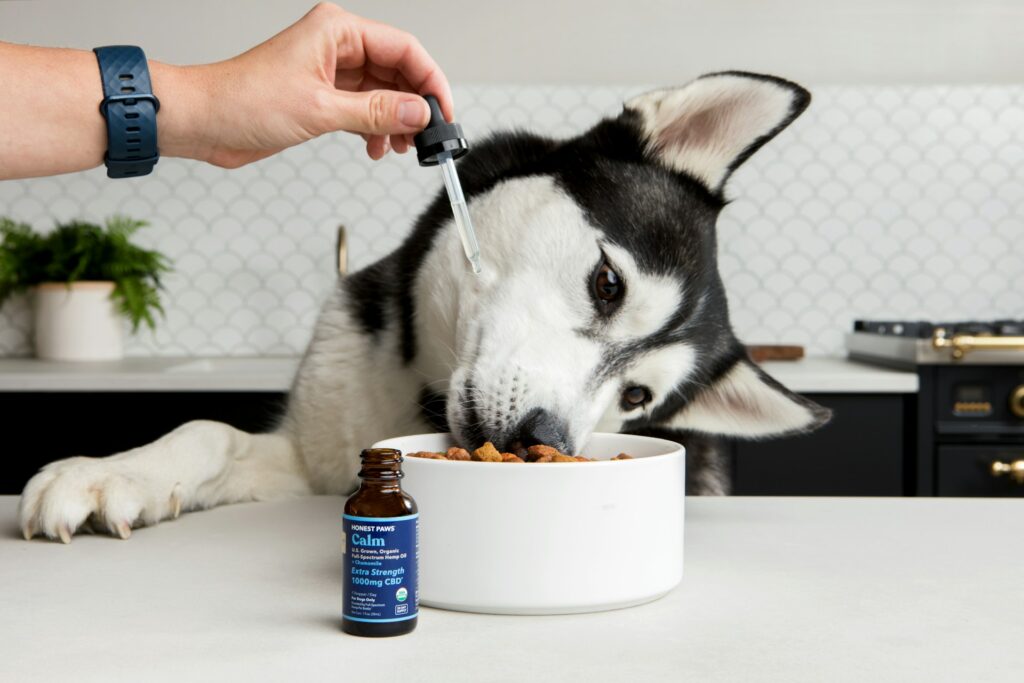
What helps real dogs in 2025 — and what’s basically expensive dust
Dog supplements are everywhere in 2025.
Hip and joint chews, “calming bites,” immune boosters, probiotic powders, fish oils, multivitamins… the shelves are endless — and the marketing is loud.
But here’s the truth: some supplements genuinely improve your dog’s quality of life, while others are mostly hype, weak dosing, or unnecessary if your dog eats a balanced diet.
This guide breaks down what’s worth your money (and what isn’t), so you can stop guessing and start choosing smarter.
_____
1. Supplements That Actually Work (For the Right Dog)
Let’s start with the ones that consistently show real-world results when used properly.
✅ Fish Oil (Omega-3s) — The MVP Supplement
Best for:
dry skin
itchy allergies
shedding and dull coat
inflammation
joint stiffness
Omega-3s are one of the few supplements that deliver visible changes within weeks: softer coat, less scratching, better skin comfort.
Reality check:
More isn’t always better. Too much can cause loose stool or weight gain.
✅ Probiotics — Great for Sensitive Stomachs
Best for:
irregular stool
gas and bloating
stress-related diarrhea
antibiotic recovery
digestive weakness
A good probiotic helps stabilize gut health, which impacts energy, immune response, and stool quality.
Pro tip:
Consistency matters more than “super high CFU numbers.”
✅ Joint Support (Glucosamine + Chondroitin + MSM)
Best for:
seniors
large breeds
active dogs
dogs with stiffness when standing up
Joint supplements won’t turn a senior into a puppy again — but they can noticeably improve mobility, comfort, and willingness to move.
Best use:
Start early, before pain becomes severe.
✅ Green-Lipped Mussel (Underrated Joint Booster)
Best for:
early arthritis
joint inflammation
dogs who don’t respond well to basic chews
This ingredient is popular in 2025 because many owners notice better movement compared to standard “hip & joint” treats.
✅ Calming Supplements (L-Theanine, Chamomile, or Magnesium Blends)
Best for:
mild anxiety
travel stress
grooming fear
thunderstorms (light cases)
These work best for mild stress, not full panic-level anxiety.
Important:
If your dog is destructive, vomiting from stress, or having extreme separation anxiety — supplements alone won’t be enough.
✅ Dental Support (Enzymatic Chews / Water Additives)
Best for:
bad breath
tartar buildup
gum irritation prevention
This isn’t a “pill supplement,” but it’s one of the best health investments you can make. Dental infections can shorten lifespan and quietly cause pain for years.
2. Supplements That Are Often a Waste of Money
Now let’s talk about what most dog owners buy… and regret.
❌ Multivitamins (For Dogs Already Eating Quality Food)
If your dog eats an AAFCO-balanced diet, a daily multivitamin is often redundant.
Many multivitamins are:
underdosed
filled with “pixie dust” ingredients
mostly marketing labels
Exception:
Homemade diets or medically restricted feeding plans.
❌ “Immune Boosters” With Mystery Blends
If the label says “proprietary blend” and doesn’t list clear amounts, that’s a red flag.
Also, “boosting” the immune system isn’t always good — it can worsen inflammation in some dogs.
❌ Hair/Growth Supplements (When the Real Issue Is Diet or Allergies)
Many coat products are basically:
oils
biotin
flavorings
But most coat problems come from:
food sensitivity
skin infection
yeast
poor omega balance
overbathing
Supplements won’t fix the wrong root cause.
❌ “Detox” Supplements
Dogs don’t need detox powders.
Their liver and kidneys already do that job.
Most detox products are just trendy branding.
❌ Random “Superfood Powders”
If it’s marketed like a miracle, it’s usually overpriced.
These powders rarely provide meaningful nutrition unless the dog’s overall diet is poor — and even then, fixing the base diet is smarter than sprinkling magic dust.
3. How to Tell if a Dog Supplement Is Legit
Before you buy anything, check:
✅ Does it list clear ingredient amounts?
✅ Is it designed for dogs (not humans)?
✅ Does it match a real need?
✅ Can you track results within 30–60 days?
✅ Does your vet agree it’s safe for your dog’s condition?
If it doesn’t solve a specific problem, it’s usually unnecessary.
4. Common Supplement Mistakes Owners Make
The biggest mistakes are surprisingly simple:
using 3–5 supplements at once (no idea what’s working)
not giving it long enough to help
over-supplementing (causing stomach upset)
choosing based on TikTok hype
ignoring diet and weight management
Supplements should enhance a healthy routine — not replace one.
5. The Smart Supplement Plan (Simple & Effective)
If you want the highest ROI approach in 2025:
Start with only ONE goal:
coat / allergies → fish oil
digestion → probiotic
mobility → joint chew + green-lipped mussel
mild anxiety → calming chew
Track changes for 30 days.
Then adjust if needed.
Simple plans work best.
Final Thought
The best dog supplement isn’t the most expensive one — it’s the one that matches a real need and delivers measurable improvement.
If your dog is thriving, don’t buy supplements out of fear.
If your dog is struggling, don’t buy supplements out of hope alone.
Buy them with intention — and your dog will feel the difference.