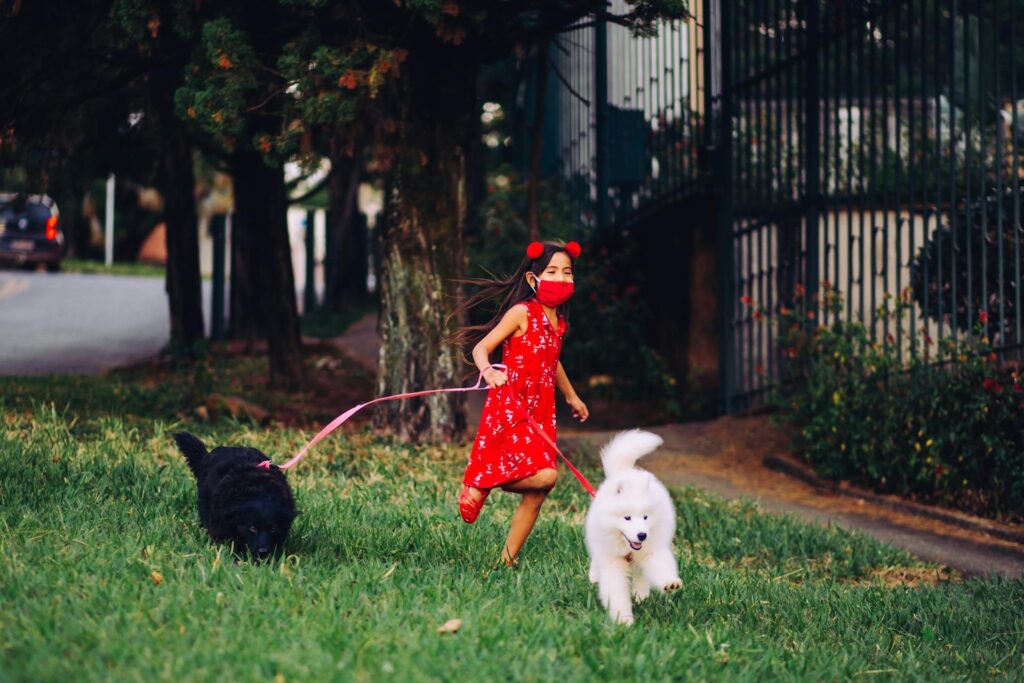
Introducing a dog to a young child can be one of the most rewarding — and sometimes challenging — experiences for any family. When managed correctly, this relationship teaches kids empathy, responsibility, and compassion, while giving dogs a loyal playmate and lifelong friend.
But to keep both happy and safe, it’s important to understand dog behavior, child psychology, and the small steps that create trust and harmony between them.
Here’s what to expect, how to prepare, and how to nurture a healthy bond between your dog and your little one.
_____
1. Understanding the Dog–Child Dynamic
Dogs and children share many qualities: curiosity, high energy, and a love for play.
However, they also communicate differently, which can cause confusion or stress if not guided properly.
Dogs rely on body language and tone, while kids use touch and movement.
A sudden hug or loud noise might scare a dog, even if the child means well.
Likewise, a dog’s bark or jump might overwhelm a toddler.
Recognizing this communication gap is the first step toward creating a safe and positive relationship.
2. Choosing the Right Dog for a Family with Kids
If you’re planning to bring a dog into a home with children, temperament matters more than breed.
Look for dogs that are:
Patient and tolerant
Calm but playful
Not overly territorial or anxious
While breeds like Golden Retrievers, Labradors, and Beagles are famously good with kids, remember that individual temperament is what truly counts. A well-trained rescue dog can be just as loving and gentle as any pedigree pup.
3. Preparing Your Dog Before Introducing the Child
Dogs need time and structure to adapt to a child’s unpredictable movements and sounds.
Before introducing your dog to your child:
Reinforce obedience commands like “sit,” “stay,” and “gentle.”
Gradually expose them to baby sounds (crying, giggling, toys) using YouTube or recordings.
Establish safe zones — places where your dog can retreat if they feel overwhelmed.
Preparation ensures your dog feels secure, not threatened, when your child becomes part of their daily life.
4. First Introductions: Take It Slow
When the time comes for the first meeting, patience is key.
Keep your dog on a leash at first to control the distance.
Allow your dog to sniff from a safe distance — dogs learn through scent.
Reward calm curiosity with treats and praise.
Keep interactions short and positive.
Always supervise every encounter, especially in the beginning. Even the gentlest dogs can react unpredictably to sudden noises or movements.
5. Teaching Children to Respect the Dog
This is just as important as training the dog itself.
Children should learn early that dogs are living beings with feelings, not toys. Teach them to:
Never pull ears or tails.
Avoid waking a sleeping dog.
Let the dog eat or rest undisturbed.
Offer treats gently, with an open palm.
When kids learn respect, dogs respond with trust — and that’s where true friendship begins.
6. What Behavior to Expect from Your Dog
Each dog reacts differently to a child’s presence.
Some become protective and affectionate, while others may feel jealous, confused, or nervous.
Common temporary changes include:
Following the baby or toddler around constantly
Increased alertness to noises
Seeking extra attention from you
Occasional signs of anxiety (pacing, yawning, hiding)
These reactions are normal. With consistent reassurance and structure, most dogs adapt beautifully within a few weeks.
7. Encouraging Positive Interaction
To build trust and joy between your dog and child:
Include your child in feeding or playtime (with supervision).
Use gentle games like rolling a ball rather than rough play.
Praise both for calm, kind behavior.
As your child grows, let them help with walks or basic training — this strengthens their bond and teaches empathy.
8. Safety First: Never Leave Them Unsupervised
No matter how well your dog and child get along, never leave them alone together — even for a moment.
This rule isn’t about mistrust; it’s about preventing accidents. A startled dog or an unsteady toddler can unintentionally hurt one another.
Always be present, especially during the early stages of their relationship.
💛 Final Thoughts
The relationship between a dog and a young child can be one of the most heartwarming sights in the world — a pure friendship built on trust, laughter, and unconditional love.
With patience, guidance, and mutual respect, your dog and your child will not just coexist — they’ll grow together, learn from each other, and form a bond that lasts a lifetime.