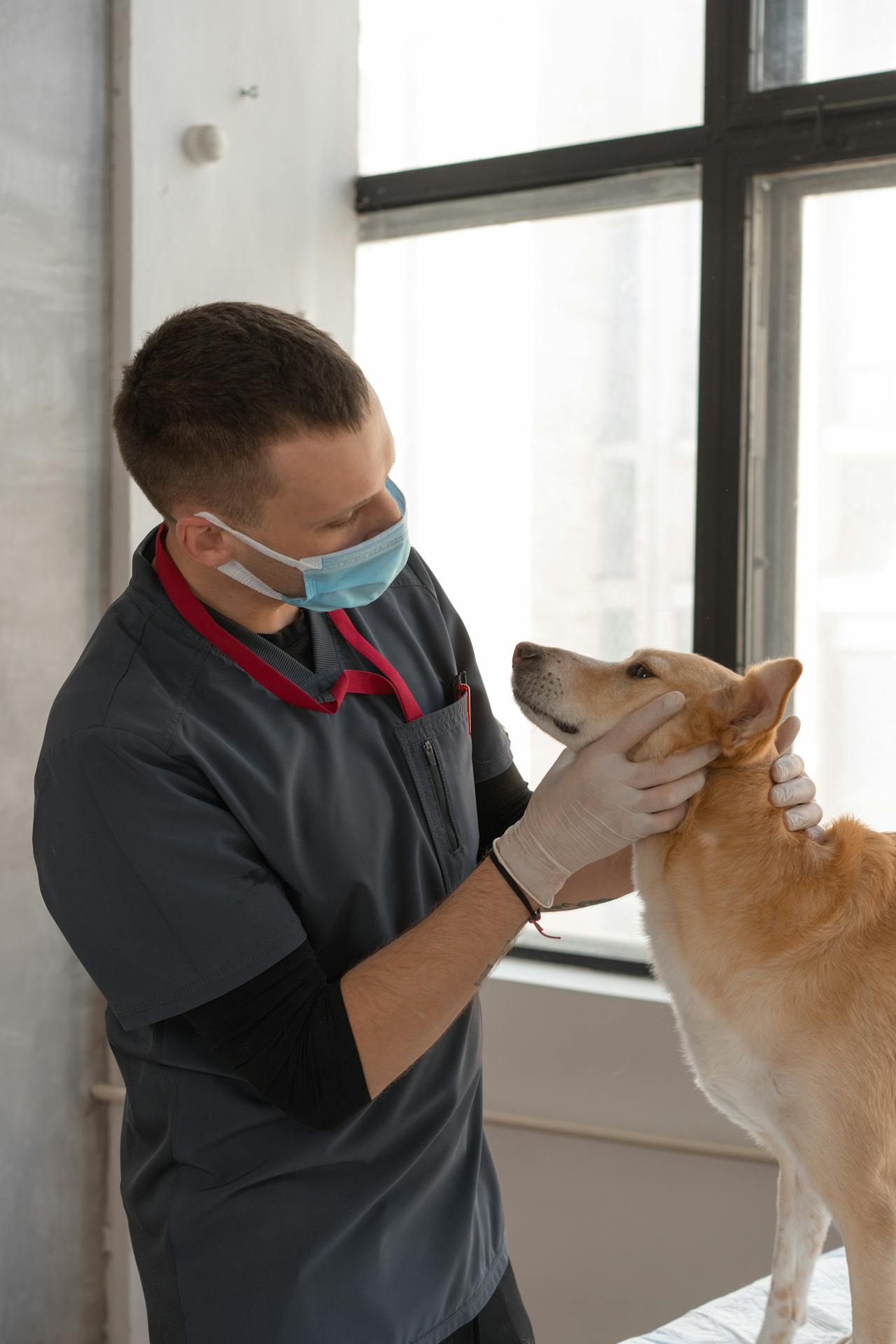
Subtle signals your dog might be unwell
Dogs communicate discomfort long before symptoms become serious — but many warning signs are subtle, gradual, or easily dismissed as “normal dog behavior.” Recognizing early health clues can prevent chronic conditions, reduce vet bills, and potentially even save your dog’s life.
This guide highlights the most commonly overlooked signs — and what they may really mean.
_____
1. Slight Change in Drinking Habits
If your dog suddenly drinks much more or much less, this may indicate:
kidney disease
diabetes
urinary tract issues
dehydration
Owners often miss this because they don’t measure water intake — but a subtle change in hydration is an early diagnostic clue.
2. Sudden Weight Gain or Loss
Even small changes matter.
Weight gain may signal:
hypothyroidism
metabolic disorders
stress eating
reduced activity due to pain
Weight loss may indicate:
parasites
gastrointestinal problems
cancer
poor nutrient absorption
If weight changes and diet stays the same — something deeper is happening.
3. Bad Breath (Not “Just Dog Smell”)
Chronic odor isn’t normal.
Bad breath can signal:
dental disease
oral infections
kidney issues
diabetes
Healthy dog breath should smell neutral — not like decay.
4. Excessive Paw Licking
It’s not “just grooming.”
Persistent licking often indicates:
allergies
skin infection
pain in joints
stress relief behavior
If your dog focuses on one paw — that’s especially telling.
5. Increased Sleeping or Sudden Fatigue
If your dog becomes less playful, less responsive, or sleeps noticeably more:
This may suggest:
thyroid imbalance
infection
anemia
emotional stress
joint pain
Older dogs do sleep more — but sudden change is a red flag at any age.
6. Behavioral Shifts — The Silent Indicator
Changes in personality are often early symptoms:
aggression or irritability
unusual clinginess
avoidance
confusion
sudden fear or anxiety
Dogs in discomfort often hide their pain behind emotional changes.
7. Changes in Eye or Ear Appearance
Watch for:
Eyes:
cloudiness
redness
tearing
squinting
visible discomfort
Ears:
head shaking
odor
constant scratching
redness inside
Ear infections and eye conditions often start very mildly.
8. Subtle Limping or Stiffness After Rest
Many owners think:
“Oh, he just slept wrong.”
But it may indicate:
early arthritis
hip dysplasia
ligament strain
joint inflammation
Dogs frequently mask pain until it becomes severe.
9. Change in Barking or Vocalization
If your dog becomes:
unusually quiet
excessively vocal
suddenly whining
howling
“talking” differently
Vocal changes can signal discomfort or neurological issues.
10. Slow, Gradual Change in Coat Quality
Watch for:
dullness
thinning fur
dandruff
itching
patchiness
Often linked to:
diet deficiencies
hormonal imbalance
thyroid disease
allergies
A healthy coat is a mirror of internal health.
When to See a Vet
If two or more signs appear, or if any symptom persists for more than 48–72 hours, it’s time for a professional evaluation.
Your dog’s behavior is data — never ignore it.