How to keep vulnerable dogs clean, safe, and stress-free
Not every dog handles grooming the same way. For dogs with mobility issues, anxiety, sensory sensitivities, chronic illness, senior limitations, or past trauma, grooming can be confusing, overwhelming — even painful.
But proper grooming for special-needs dogs isn’t about perfection.
It’s about comfort, safety, and dignity.
This guide covers how to adapt grooming routines for dogs who need a little extra care.
_____
1. What Counts as a “Special Needs” Dog?
A special-needs dog may have:
arthritis or limited mobility
paralysis or nerve damage
blindness or deafness
severe anxiety or panic responses
seizure disorders
skin disease or allergies
past abuse trauma
advanced age
These dogs can’t be groomed with one-size-fits-all methods.
2. Why Grooming Is Even More Important for These Dogs
For special-needs dogs, grooming isn’t cosmetic — it’s medical support.
Proper grooming helps prevent:
skin infections
painful matting
pressure sores
hot spots
urinary burns
yeast buildup
circulation problems
Skipping grooming can quietly turn into a medical emergency.
3. Adjusting Grooming for Mobility Issues
Dogs with arthritis, IVDD, paralysis, or amputations need:
non-slip mats on all surfaces
slow repositioning
frequent breaks
side-lying grooming positions
avoiding forced standing
Tip: Groom over multiple short sessions instead of one long one.
4. Grooming Blind or Deaf Dogs
These dogs rely heavily on touch and routine.
Best practices:
speak calmly before touching
use consistent hand signals
approach from the same direction each time
keep tools visible and predictable
never startle from behind
Trust is built through consistency.
5. Grooming Dogs with Anxiety or Trauma
These dogs often associate grooming tools with fear.
Key strategies:
desensitization (introduce tools slowly)
reward-based handling
touch–treat–release pattern
skipping full baths when wipes will do
no forced restraint unless medically necessary
Fear-based grooming creates long-term behavioral damage.
6. Grooming Dogs with Chronic Skin Conditions
Dogs with allergies, yeast, or autoimmune skin disorders need:
fragrance-free shampoo
targeted medicated formulas
cool-water baths only
full drying after every wash
trimmed fur in affected areas
Leaving moisture trapped in the coat worsens infections.
7. Grooming Seniors with Dignity
Senior dogs need:
orthopedic surfaces
warm rooms
gentle brush strokes
frequent but shorter grooming sessions
avoidance of cold metal tools
careful nail trimming to prevent fractures
Old age doesn’t remove the need for grooming — it changes how grooming should happen.
8. When Home Grooming Is Safer Than the Salon
Salon grooming may NOT be ideal for dogs with:
seizure disorders
breathing issues
heart disease
panic responses
bite fear under restraint
In these cases, home grooming or vet-supervised grooming is often the safest option.
9. Essential Tools for Special-Needs Grooming
The right tools reduce physical effort and stress:
silent clippers
extra-soft brushes
cooling grooming mats
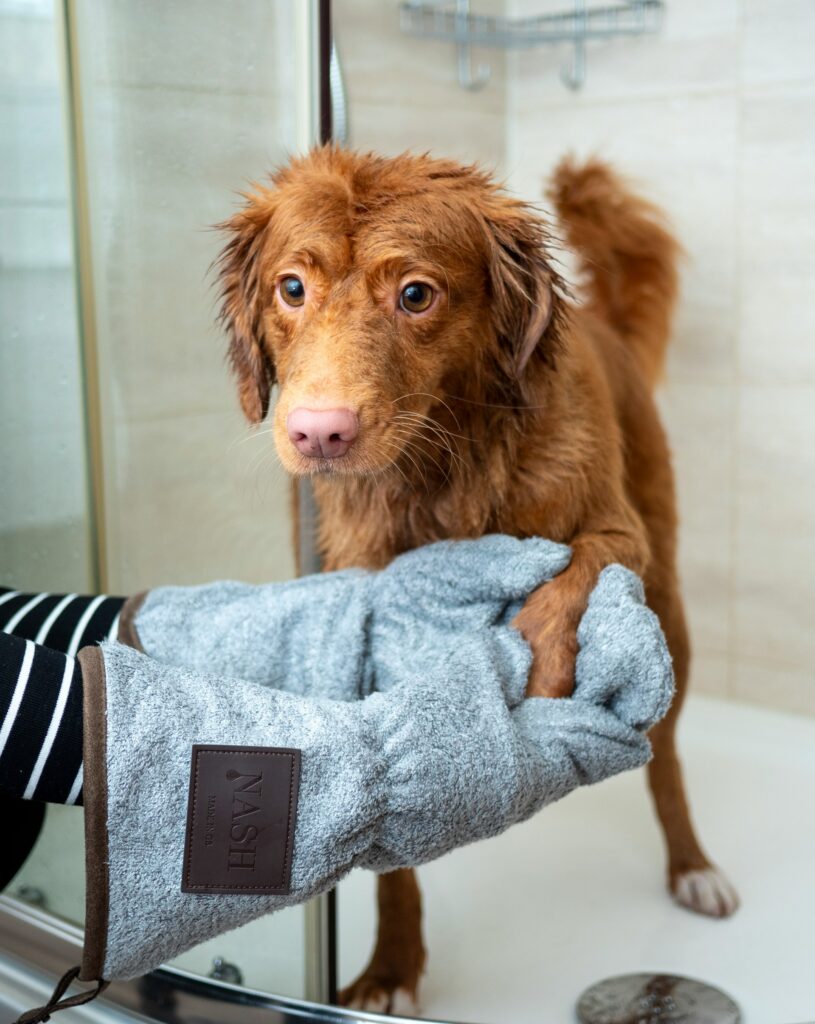
microfiber drying towels
paw support slings
grooming harnesses
dog-safe grooming wipes
Good tools protect both the dog and the handler.
Final Thought
Special-needs grooming is not about making your dog look perfect —
it’s about making your dog feel safe, clean, and respected.
With patience, adjusted tools, and slower methods, grooming becomes less of a battle and more of a bonding ritual — even for the most vulnerable dogs.