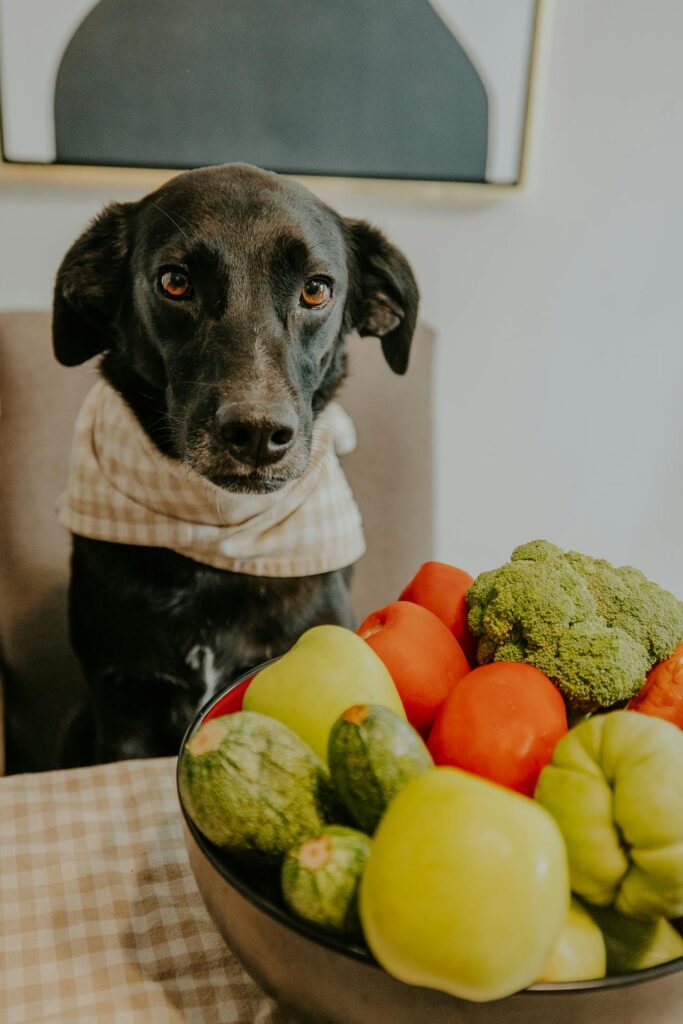
Food allergies in dogs are far more common than most owners realize — but they rarely look like the classic “swollen face and hives” reaction people expect.
Instead, they show up as itchy skin, ear infections, digestive issues, constant paw licking, or chronic discomfort that gets dismissed as “normal dog behavior.”
The tricky part?
Most dogs don’t develop food allergies suddenly.
Symptoms build slowly, making them easy to miss — or mistake for environmental allergies, anxiety, or grooming issues.
This guide breaks down the hidden signs, real triggers, and early detection methods vets use to spot food allergies before they become full-blown health problems.
_____
🥩 1. Persistent Itching That Doesn’t Go Away
Dogs itch — that’s normal.
But constant itching, year-round, is one of the strongest early clues of food allergies.
Common areas affected:
paws
belly
armpits
ears
muzzle
rump
If your dog is scratching even during winter or after flea/tick treatment, food may be the culprit.
💡 Environmental allergies are seasonal. Food allergies are constant.
👂 2. Repeated Ear Infections
One of the most overlooked allergy symptoms?
Chronic ear infections, especially when they keep coming back after treatment.
Warning signs:
dark wax
strong odor
head shaking
redness
constant scratching
Dogs with food allergies often flare up around the ears because inflammation starts in the gut and spreads outward.
💬 If ear infections return more than twice a year, investigate diet.
🐾 3. Paw Licking or Chewing
Dogs with hidden food allergies often obsessively lick their paws — especially at night.
Why?
The body pushes histamines toward extremities, causing:
itching
redness
irritation
yeast buildup
💡 Constant paw licking is not a “quirk.” It’s a red flag.
🍽️ 4. Digestive Upsets That Seem Random
Food allergies often masquerade as “sensitive stomach issues.”
Common symptoms include:
recurring diarrhea
gas
vomiting
unpredictable appetite
loose stools with mucus
If these symptoms appear intermittently but repeatedly, it’s often tied to a specific protein or ingredient.
😟 5. Chronic Yeast Problems
Food allergies can disrupt a dog’s gut microbiome, leading to chronic yeast overgrowth.
Look for:
greasy fur
thickened skin
hair loss
strong “corn chip” odor
dark patches around groin or paws
💬 If your dog smells yeasty soon after bathing, think allergies.
🧬 6. What Dogs Are Most Likely to Develop Food Allergies?
Any dog can develop allergies, but these breeds are more prone:
Labrador Retrievers
German Shepherds
Bulldogs
Poodles
Pit Bulls / Bullies
Cocker Spaniels
Dachshunds
Westies
Age doesn’t matter — allergies appear in both puppies and adults.
🥩 7. The Most Common Food Allergy Triggers
Despite what many think, grain is not the main cause.
The real culprits are usually proteins.
Top offenders:
Chicken
Beef
Dairy
Eggs
Lamb
Pork
Fish
Soy
Wheat (less common than people believe)
💡 Chicken is the #1 source of dog food allergies in the U.S.
🔍 8. How to Know If It’s REALLY a Food Allergy
Vets rely on elimination diets, not blood tests.
Blood tests often give false positives or false negatives.
True diagnosis involves:
removing all common allergens
feeding a single protein and single carbohydrate
sticking to the plan for 8–12 weeks
slowly reintroducing foods to identify triggers
It requires patience — but it’s the only accurate way.
📉 9. What NOT to Do
When trying to diagnose food allergies, avoid:
switching food brands randomly
feeding multiple proteins
giving treats with mixed ingredients
feeding table scraps
assuming “grain-free” is a solution
💬 Many dogs with “grain-free diets” still eat chicken, beef, dairy, or egg — the real problem.
🩺 10. When to See a Vet
See your vet if your dog shows:
recurring ear infections
nonstop itching
chronic diarrhea
unexplained hair loss
paw chewing
skin infections
The earlier you catch allergies, the easier they are to manage.
💛 Final Thoughts
Food allergies don’t always scream for attention — most whisper.
By spotting subtle signs early, you can save your dog months (or years) of discomfort and get them on a diet that finally works for their body.
Your dog can’t tell you what’s wrong…
but their skin, ears, and stomach definitely can.
Recognizing the signs is the first step to helping them feel healthy, balanced, and comfortable again.