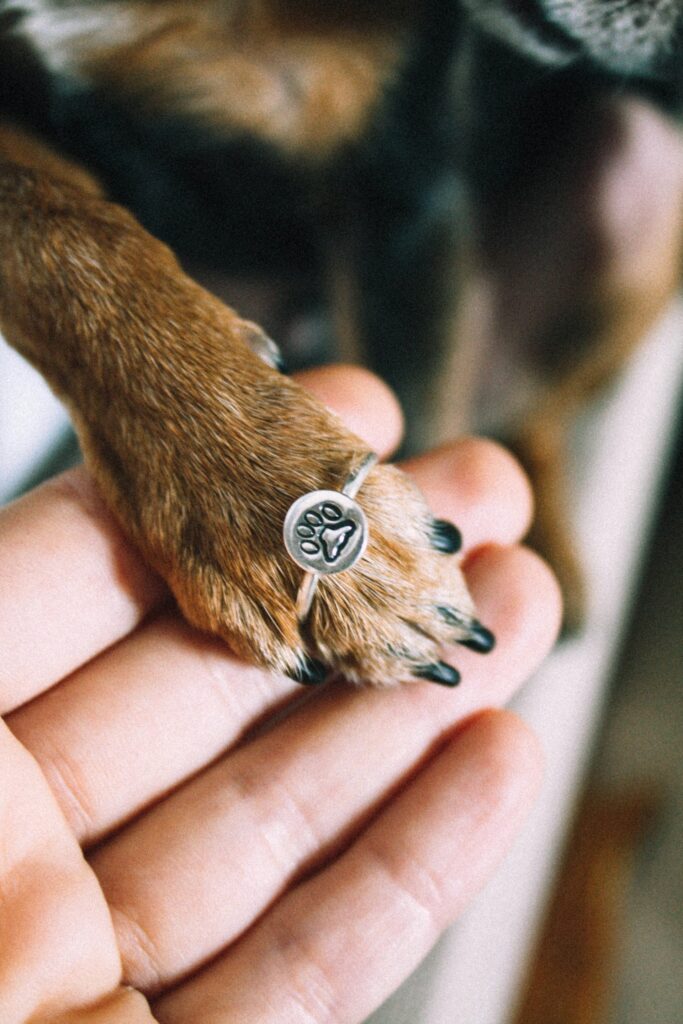
Nail trimming is one of the most universally dreaded parts of dog ownership.
Many dogs bolt at the sight of clippers, pull their paws away, shake, hide, or even growl — not because they’re “difficult,” but because nail trims feel strange, loud, and unpredictable.
The good news?
With the right approach, trimming your dog’s nails doesn’t have to involve sweating, bribing, wrestling, or apologizing to your groomer.
You can turn it into a calm, safe weekly ritual your dog actually tolerates — and maybe even enjoys.
Here’s the complete, stress-free guide to trimming your dog’s nails without drama, fear, or frustration.
_____
🐕🦺 1. Understand Why Dogs Hate Nail Trims
Before you fix the problem, you need to know what’s causing the anxiety.
Common reasons dogs resist nail trims:
The quick (the blood vessel inside the nail) is sensitive
Clippers make unpredictable sounds
Their paws are naturally protective areas
Past painful trims created fear
They don’t understand what’s happening
You’re nervous — and they feel it
💡 Dogs aren’t being stubborn. They’re being afraid.
✋ 2. Start With Paw Desensitization
Before you ever pick up clippers or a grinder, your dog needs to feel safe with having their paws handled.
Practice daily for 1–2 minutes:
Touch each paw gently
Hold each paw for 2 seconds
Massage between toes
Touch each nail lightly
Reward with calm praise or treats
When your dog lets you hold a paw without pulling away, you’re ready for the next step.
🔧 3. Choose the Right Tool for Your Dog
Your dog’s experience completely depends on the tool you use.
🟩 Best options:
✔️ Nail grinders (Dremel-style)
smooth edges
less risk of cutting the quick
quieter options available
ideal for nervous dogs
✔️ Guillotine clippers
easy to use
good for small/medium dogs
less pressure for tiny nails
✔️ Scissor-style clippers
best for large or thick nails
strong and precise
🔔 4. Introduce the Tool Slowly
Your dog shouldn’t see a clipper or grinder for the first time during the trim.
Introduce the tool:
Let them sniff it
Turn the grinder on far away
Reward for staying calm
Touch the tool to their paw (turned off)
Gradually move closer to the nails
💡 The tool becomes normal — not scary.
🪑 5. Set Up a Calm Environment
Choose a space where your dog already feels secure.
Ideal setup:
quiet room
non-slip mat
soft lighting
treats within reach
handler behind or next to the dog, not over them
Never trim nails when your dog is overly excited, hungry, or anxious.
🦴 6. Trim One Nail at a Time (Progress Over Perfection)
You don’t need to trim all nails in one session — especially at the beginning.
How to trim safely:
Lift the paw gently, keeping it low.
Trim tiny amounts — millimeters, not chunks.
Look for the chalky white ring (you’re getting close to the quick).
Stop if you see a darker center.
Reward after every nail, especially early on.
💡 Short, frequent trims are easier and safer than long, infrequent ones.
🩸 7. What If You Hit the Quick?
It happens — even groomers do it.
Don’t panic.
Apply styptic powder (or cornstarch).
Hold gentle pressure.
Reward your dog afterwards.
End the session calmly — not abruptly.
Dogs build confidence based on your reaction.
🎧 8. Try Cooperative Care Training (Game-Changing)
Cooperative care teaches your dog to choose to participate in nail trims.
Example cues:
“Paw” to offer a paw
“Chin rest” on your hand or pillow
“Up” to step on a stool
When dogs feel in control, fear disappears.
💡 This is the same method used by zoo trainers for bears, wolves, and big cats.
🕒 9. How Often Should You Trim?
Most dogs need a trim every:
2–4 weeks for normal nails
1–2 weeks when shortening overgrown nails
weekly grinding to maintain smooth edges
A good rule:
If you can hear your dog’s nails clicking on the floor, they’re too long.
🤍 10. Nail Trims Should End on a Positive Note
Always finish with:
soft praise
a treat
a cuddle
a short walk or game
Your dog should associate nail trimming with calmness and reward — not fear or restraint.
💛 Final Thoughts
Trimming your dog’s nails doesn’t have to be stressful or dramatic.
With the right tools, patience, and a gentle approach, you can turn nail trims into a smooth, predictable routine your dog trusts and tolerates.
Fear-free nail care isn’t just possible — it’s simple once you understand what your dog needs to feel safe.
Calm hands.
Steady energy.
Tiny trims.
Big progress.