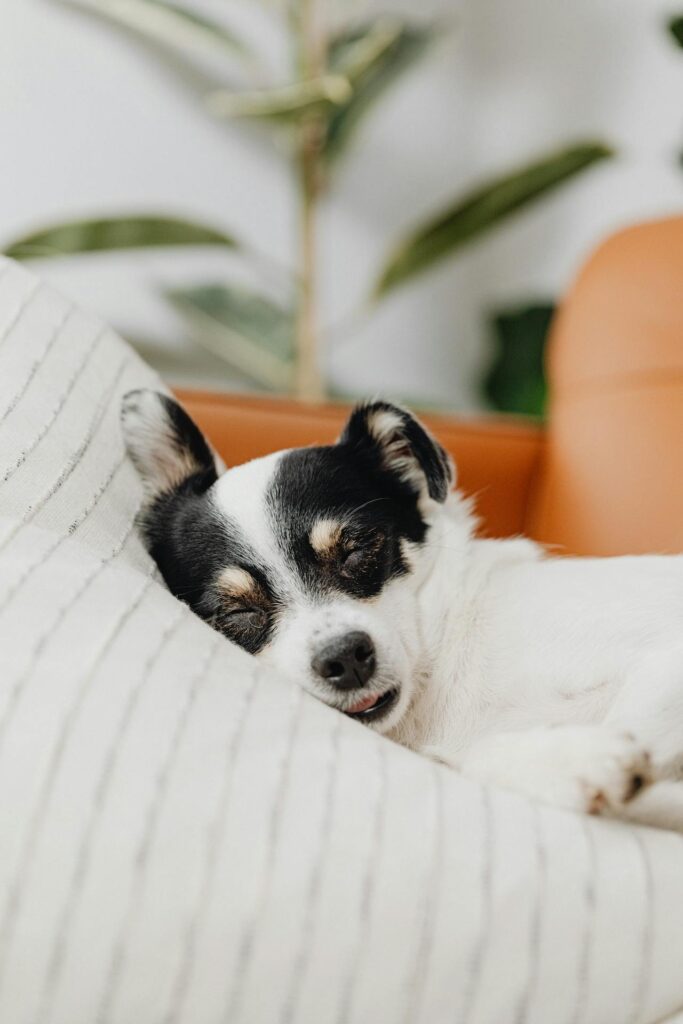
Why your puppy wakes up — and how to fix it without stress or frustration
If your new puppy is keeping you up at night, you’re far from alone. Puppies aren’t born knowing how to sleep through the night. Their bladders are tiny, their schedules are new, and everything about your home is strange and exciting.
But the good news?
Puppies can learn to sleep through the night — often within just a few weeks — if you follow the right steps.
Here are the sleep techniques dog trainers and veterinarians swear by.
_____
1. Understand What’s Normal for Puppy Sleep
Puppies sleep 16–20 hours a day, but not all at once.
Their nighttime sleep is fragmented because:
they can’t hold their bladder
they wake easily from noise
they get lonely
their sleep cycles are short
Expect some bumps — but also expect rapid improvement with routine.
2. Create a Bedtime Routine (Puppies Love Predictability)
Dogs are creatures of habit, and puppies absolutely thrive on structure.
A solid nighttime routine includes:
last meal 3 hours before bedtime
potty break 20–30 minutes before sleep
calm play or light training (to burn last energy)
quiet cuddle time
lights dimmed, house noise lowered
A predictable pattern tells your puppy:
“It’s time to sleep now.”
3. Use a Crate or Pen for Safe, Consistent Sleep
A crate provides:
safety
structure
smaller space = easier to settle
bladder control support
fewer nighttime wanderings
Most puppies sleep better in a crate beside your bed for the first weeks.
This reduces anxiety and allows you to respond to real potty needs — not panic.
4. Master the Midnight Potty Break
New puppies can typically hold their bladder:
2 hours at 8 weeks
3–4 hours at 12 weeks
4–6 hours at 16 weeks
When they cry, ask yourself:
Is it potty, panic, or habit?
A true potty break should be:
calm
business only
no play
no baby talk
back to bed immediately
Fun midnight potty parties = accidental sleep sabotage.
5. Reduce Late-Night Energy
Zoomies at 11 pm?
That’s not a sleep problem — it’s a schedule problem.
Common mistakes that lead to late-night chaos:
naps too close to bedtime
high-energy play right before sleep
overstimulation from guests, TV, or kids
feeding too late
Aim for a gradual energy wind-down starting 2 hours before bedtime.
6. Fix Separation Anxiety at Night
Many puppies cry because they simply feel unsafe alone.
To help:
place crate beside your bed
use a heartbeat toy or warm blanket
give a chew right before sleep
avoid “cry it out” for young puppies
use calm presence but minimal engagement
You’re teaching them that resting near you is safe.
7. Use the Right Sleep Environment
Good sleep requires:
dark room or crate cover
white noise machine or fan
consistent temperature
cozy bedding
no access to exciting toys
The goal is comfort, not entertainment.
8. Correct Sleep Problems Gently — Never With Punishment
Yelling, banging the crate, or ignoring true distress damages trust and delays progress.
Use calm corrections such as:
a quiet “shh”
brief reassurance
consistent routine adjustments
Sleep training is not a battle — it’s a conversation.
9. When Will My Puppy Finally Sleep Through the Night?
Most puppies sleep through the night by:
10–12 weeks with consistent routine
16 weeks for small breeds
20 weeks for anxious puppies
Every puppy is different — but all can learn.
Final Thought
A puppy who sleeps well becomes a puppy who learns well, behaves well, and integrates easily into family life.
Sleep isn’t just a convenience for you — it’s essential for your puppy’s brain development, emotional resilience, and long-term health.
With patience, structure, and the right tools, peaceful nights are absolutely within reach.