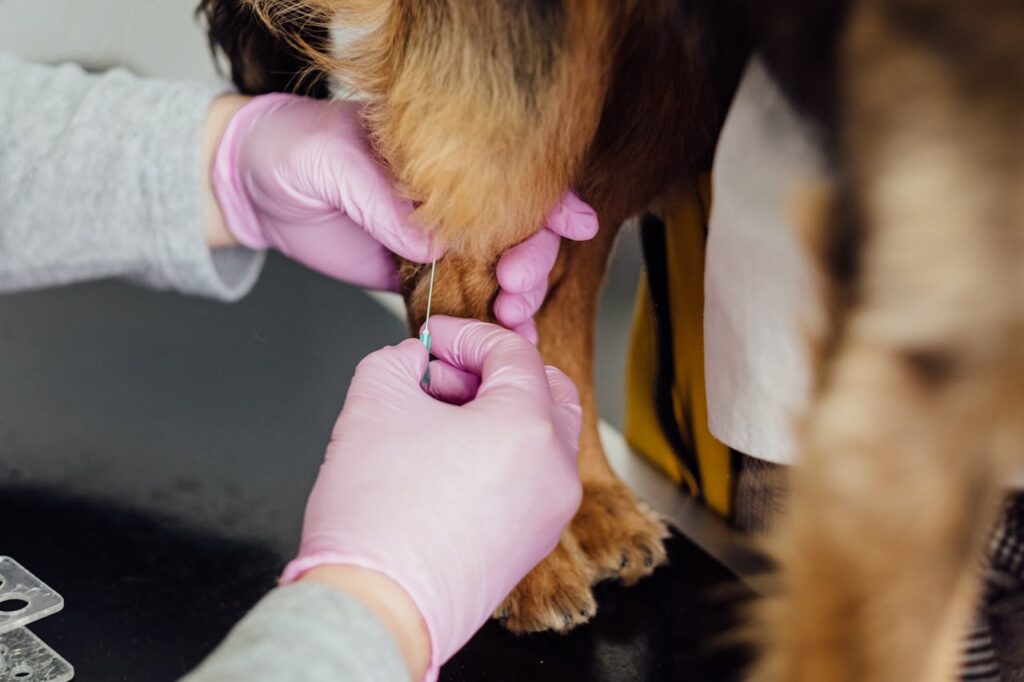
The complete 2025 guide to keeping your puppy safe, healthy, and protected
Vaccinations are one of the most important parts of early puppy care. Puppies are born with immature immune systems, making them vulnerable to dangerous viruses, bacteria, and diseases — especially in their first 16 weeks of life.
A proper vaccination timeline not only protects your puppy, it also protects other dogs, public spaces, and even humans from preventable illnesses.
Here’s a simple, clear, up-to-date vaccination guide for American puppy owners in 2025.
_____
1. Why Vaccinations Are So Important for Puppies
Puppies explore the world with their noses, paws, and mouths — which means they’re constantly exposed to germs.
Vaccinations prevent:
fatal diseases
chronic illness
expensive emergency vet visits
long-term complications
They also help create “herd immunity” in your local dog community.
2. Puppy Vaccine Timeline (Week-by-Week)
Below is the standard U.S. vaccination schedule for 2025.
6–8 Weeks — First Core Vaccine
Core vaccines:
Distemper
Parvovirus
Adenovirus (Hepatitis)
Parainfluenza
(often combined into a DHPP shot)
Why it matters:
This protects against highly contagious, life-threatening viruses.
9–11 Weeks — Second Core Vaccine + Optional Vaccines
Core:
DHPP booster
Optional (depends on lifestyle):
Bordetella (kennel cough → recommended if visiting groomers, puppy classes, dog parks)
Note: Bordetella can be given as early as 8 weeks.
12–14 Weeks — Third Core Vaccine + Extras
Core:
DHPP booster
Optional:
Leptospirosis (recommended in most U.S. regions, especially urban areas or where wildlife is common)
Why:
Lepto spreads through water and soil — and can infect humans too.
15–17 Weeks — Final DHPP + Rabies
Core vaccines:
Final DHPP
Rabies vaccine
Legally required:
Rabies vaccination is mandatory in all 50 states, though timing varies slightly by state law.
18+ Weeks — Additional Lifestyle Vaccines
Depending on your dog’s lifestyle:
Lyme disease (if ticks are common)
Canine Influenza (required by some groomers, boarding facilities, daycares)
3. When Is Your Puppy Fully Protected?
Your puppy is NOT fully protected until:
✔ the final DHPP booster at 15–17 weeks
✔ the rabies vaccine is administered
This is why vets say:
“No dog parks until the final booster.”
4. Safe Socialization Before Vaccines Are Complete
Puppies must socialize early — but safely.
Recommended:
carry them in public places
invite vaccinated dogs for playdates
puppy classes that require proof of vaccination
positive exposure to sights, sounds, surfaces
Avoid until fully vaccinated:
dog parks
pet store floors
public grass
unknown dogs
neighborhood sidewalks with heavy pet traffic
5. Booster Shots for Adult Dogs
After puppyhood, most dogs need:
DHPP booster every 1–3 years
Rabies booster every 1–3 years (state dependent)
Lepto, Lyme, Bordetella, or Influenza Yearly (if lifestyle requires)
Your vet will personalize the plan.
6. Mild Side Effects Are Normal
Typical reactions:
mild lethargy
slight swelling at injection site
low-grade fever
decreased appetite
Severe reactions (rare):
facial swelling
vomiting
difficulty breathing
Contact your vet immediately if these occur.
7. How Much Do Puppy Vaccines Cost in the U.S.?
On average (2025 pricing):
per core shot: $20–$45
Bordetella: $25–$45
Leptospirosis: $20–$30
Rabies: $25–$50
Full puppy series usually totals $150–$300, depending on region.
Final Thought
A well-timed vaccination routine is the simplest, most effective way to protect your puppy from life-threatening diseases. The investment you make in these first few months builds a foundation for a long, healthy life.
Your puppy depends on you — and this timeline makes it easy to keep them safe.