What science supports — and what’s still controversial
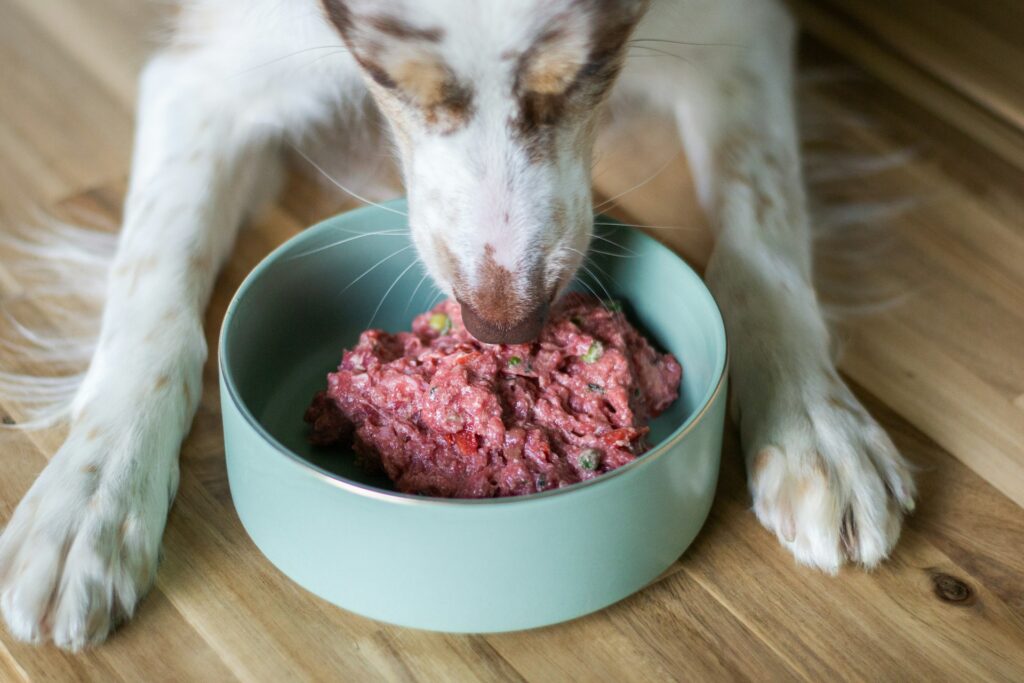
Raw feeding has gone from fringe trend to mainstream movement in American pet ownership. Pet parents want clean nutrition, fewer additives, and more “natural” diets — but raw feeding also comes with misinformation, safety concerns, and debates in veterinary circles.
Here’s the real, balanced truth about raw diets for dogs in 2025 — based on research, nutrition science, and practical experience.
_____
1. What Raw Feeding Actually Means
“Raw feeding” can refer to several approaches:
BARF (Biologically Appropriate Raw Food)
PMR (Prey Model Raw)
Freeze-dried raw
Commercial raw blends
Home-prepared raw components
But raw doesn’t simply mean “uncooked.”
It also implies minimally processed and species-appropriate.
2. Potential Benefits Owners Report
Many raw feeders say they observe:
improved coat quality
smaller, less smelly stools
increased energy
decreased inflammation
cleaner teeth
reduced allergies in some cases
These benefits aren’t universally proven — but thousands of owners report them consistently.
3. The Major Risks (Often Ignored)
Raw feeding isn’t risk-free.
⚠️ Bacterial contamination
Raw meat can carry:
salmonella
listeria
E. coli
These can affect both dogs and humans in the household.
⚠️ Nutritional imbalance
This is HUGE.
Feeding raw without knowledge can cause:
calcium-phosphorus imbalance
vitamin/mineral deficiency
bone growth problems in puppies
Balance matters more than purity.
4. Raw Feeding for Puppies — Extra Caution
Puppies have different nutritional requirements.
An unbalanced raw diet can cause:
skeletal deformities
joint problems
delayed growth
If feeding raw to a puppy — guidance from a veterinary nutritionist is strongly recommended.
5. Whole Prey vs. Ground Blends vs. Freeze-Dried
Whole Prey
mimics wild feeding
risk of choking on bones
high store cost
Ground Raw Blends
more digestible
easier to portion
bacteria risk remains
Freeze-Dried Raw
safer
shelf-stable
more expensive
Many households use freeze-dried as a compromise: raw benefits with reduced risk.
6. Veterinarian Perspective in 2025
There is no universal veterinary stance — but trends include:
more vets acknowledging raw diets as viable IF balanced
more support for commercial raw formulas
ongoing warnings about sanitation and bacterial risk
push for third-party testing and nutritional certification
Veterinary nutrition is evolving — not denying.
7. MIXED feeding is increasingly popular
Many American dog owners in 2025 feed:
morning → kibble
evening → raw
orraw toppings added to kibble
raw treats used sparingly
This hybrid model offers:
safety of commercial diets
benefits of raw freshness
cost control
simpler transitions
8. How to Tell if Raw Diet Works for YOUR Dog
Monitor:
coat condition
stool consistency
energy level
breath odor
weight & muscle tone
skin health
Dogs tell the truth through their biology.
9. Common Myths About Raw Feeding
❌ “Dogs can’t get sick from bacteria.”
Wrong — they absolutely can.
❌ “Wild wolves eat raw — so domestic dogs should too.”
Different genetics, different lifestyle, different lifespan expectations.
❌ “Any raw is better than kibble.”
Not if the raw diet is unbalanced.
Final Thought
Raw feeding is neither miracle nor menace.
For some dogs, it’s transformative.
For others, it’s risky or poorly tolerated.
In 2025, the smartest approach is:
evidence-guided, nutrition-informed, and safety-conscious — not dogmatic.