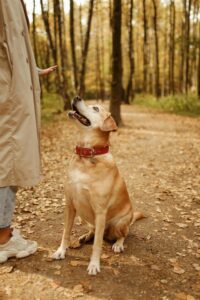
Every dog owner has had that moment: you catch your dog doing something bizarre — spinning in circles, eating grass, or staring into space — and you can’t help but ask, “Why do you do that?”
While some behaviors seem weird or funny, most of them actually make perfect sense once you understand how dogs think, communicate, and perceive the world.
Here are 10 strange dog behaviors that actually have logical explanations — backed by science, instinct, and a little canine psychology.
_____
1. 🌀 Spinning in Circles Before Lying Down
It looks silly — but it’s ancient instinct.
Dogs inherited this behavior from their wild ancestors, who used to circle the ground to flatten grass, spot threats, and mark territory before resting.
Today, your dog isn’t checking for snakes — just ensuring the bed is comfy and smells like home.
2. 🥬 Eating Grass
No, your dog isn’t turning vegetarian.
Dogs sometimes eat grass to induce vomiting when they have an upset stomach, or simply because they enjoy the texture and taste.
Occasional grass munching is normal — but if it’s frequent or obsessive, it might indicate nausea or nutrient deficiency.
3. 🐾 Kicking After Pooping
It’s not about covering their business like a cat — it’s about spreading scent.
Dogs have glands in their paws that release pheromones, and the kicking motion helps mark their territory more effectively.
So that dramatic back-leg action? It’s your dog saying: “This spot is mine.”
4. 😴 Twitching or Barking in Sleep
Ever see your dog running, barking, or wagging in their dreams?
Dogs experience REM sleep, just like humans — the phase where dreams occur.
Those little twitches and noises mean your dog is processing memories or reliving daily moments (yes, they dream about you!).
It’s a sign of a healthy, relaxed mind.
5. 🦴 Hiding Toys or Food
If your dog buries bones in the yard or tucks toys under blankets, that’s survival instinct kicking in.
In the wild, dogs buried leftovers to protect them from scavengers and eat later.
Even well-fed dogs feel this urge — it’s a way to manage abundance.
To them, a couch cushion is just a modern-day hiding spot.
6. 🐕 Staring at You Intently
It might feel awkward — but it’s actually affection.
Dogs stare to read your emotions and bond through eye contact.
Studies show that mutual gazing increases oxytocin (the “love hormone”) in both humans and dogs.
So next time your dog locks eyes with you, they’re not plotting — they’re connecting.
7. 🐾 Walking in Circles When Excited
Many dogs spin in place before walks or playtime — it’s a burst of anticipation energy.
This circular motion helps them release excitement, burn off adrenaline, and prepare for action.
In working breeds, this behavior can also mimic herding patterns — a natural way to “control space.”
8. 💨 Sniffing Other Dogs’ Rear Ends
Awkward for humans, totally normal for dogs.
Dogs communicate primarily through scent, and their anal glands contain unique information about age, sex, mood, and health.
So that polite butt sniff? It’s the canine equivalent of a handshake — or more accurately, a LinkedIn profile check.
9. 🐕🦺 Leaning Against You
When a dog leans its body against your leg, it’s not just being lazy — it’s seeking comfort and reassurance.
Dogs lean when they feel safe, or when they need emotional grounding (just like a hug).
It’s one of the most genuine signs of affection — so lean back.
10. 🐶 Head Tilting When You Talk
That adorable head tilt isn’t just for photos.
Dogs tilt their heads to adjust their ears for better sound localization — helping them understand your words and tone.
But it’s also social: head tilting shows focus and empathy, meaning your dog is genuinely trying to connect with you.
🧠 The Psychology Behind “Weird” Dog Behavior
Dogs don’t act “strange” — they act instinctively.
Most behaviors humans find odd are rooted in:
Survival instincts
Communication methods
Sensory differences
Emotional needs
Once you understand the why, your dog’s quirks stop being weird — and start being wonderful.
_____
Want to decode more of your dog’s communication cues? Read our guide on 10 Ways to Understand What Your Dog Is Telling You
💛 Final Thoughts
From spinning in circles to tilting their heads, every behavior has a reason.
Understanding your dog’s habits helps strengthen trust, improve training, and deepen your bond.
Next time your pup does something puzzling, remember: behind every “weird” action lies a logical explanation — and a story millions of years in the making.
_____
Found your dog’s quirks fascinating? Don’t miss our roundup of The Top Dog Names in America to see which names best reflect those lovable personalities.