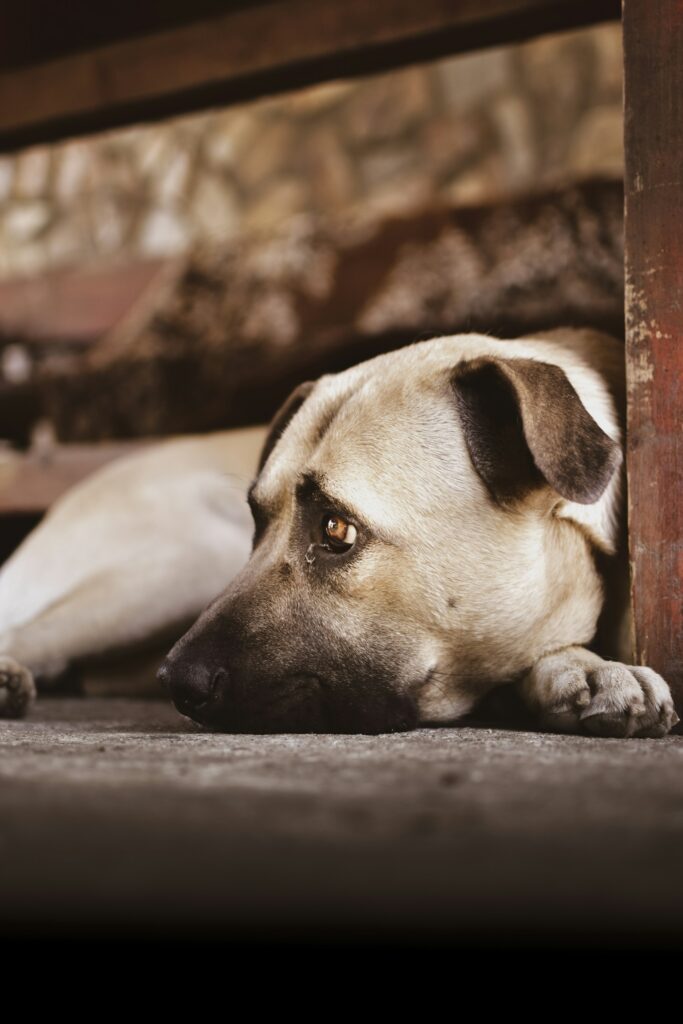
When most people picture a dog shelter, they imagine rows of sad eyes behind metal bars — animals waiting for someone to save them.
But ask anyone who works inside a U.S. shelter, and you’ll hear a very different story — one that’s not just about heartbreak, but about hope, second chances, and resilience.
Shelter dogs aren’t broken.
They’re survivors, learners, and loyal companions who simply need the right person to believe in them.
This is the truth about shelter dogs, as told by the people who care for them every single day.
_____
❤️ 1. Most Shelter Dogs Are There Because of Humans — Not Because of “Bad Behavior”
One of the biggest myths is that shelter dogs are there because something’s wrong with them.
Shelter workers will tell you: that’s rarely true.
Most dogs end up in shelters due to human circumstances — not their own.
Common reasons include:
Owners moving to non-pet housing
Financial hardship
Divorce or family changes
Health issues or owner death
💡 In reality, these dogs are often house-trained, affectionate, and already used to living with people.
🐕 2. Shelter Dogs Come in Every Breed, Age, and Personality
Another common misconception? That shelters only have “mutts” or unpredictable dogs.
Walk into any U.S. shelter, and you’ll find purebreds, puppies, seniors, working dogs, lap dogs, and everything in between.
Shelter workers often say, “There’s a perfect dog for everyone — it just might not look like the one you imagined.”
💛 From playful Labs to calm Greyhounds and gentle senior companions — shelters see them all.
_____
Not sure which breed or temperament best fits your home and lifestyle? Visit our Detailed Profiles on Temperament, Size, Health & Care to find the perfect match before you adopt.
🏥 3. They’re Health-Checked, Vaccinated, and Often Spayed/Neutered
Many people still assume shelter dogs come with “unknown health issues.”
But the truth is, most shelters provide medical care before adoption — often including:
Vaccinations
Spaying or neutering
Flea/tick prevention
Microchipping
Basic health exams
🐾 Adoption fees often cost less than a single vet visit — while covering all of this care.
🐾 4. Shelter Dogs Remember Kindness
Shelter workers often share stories of dogs who come in fearful or withdrawn — and transform within days of receiving consistent love and attention.
Science backs this up: dogs can form new positive associations quickly, even after trauma.
With patience, touch, and structure, most shelter dogs learn to trust again — sometimes faster than you’d expect.
💡 “They don’t forget what hurt them,” one shelter volunteer said, “but they never forget who helped them heal.”
🐕🦺 5. You Can Find Highly Trained and Working Dogs in Shelters
Not every shelter dog is untrained.
Some come from military families, service dog programs, or owners who could no longer keep them.
It’s common to find dogs that already:
Respond to commands
Are leash-trained
Know routines like crate training and car rides
Adopting a dog from a shelter doesn’t mean starting from zero — often, it means continuing someone else’s good work.
💔 6. Behavioral Issues Are Manageable — and Often Overstated
Yes, some dogs come with trauma or anxiety.
But shelter staff invest time and love in behavior rehab.
Most shelters now use positive reinforcement training, enrichment games, and volunteer walking programs.
This builds confidence and improves adoptability.
🐾 What looks like fear or shyness is often just confusion — not aggression.
🏡 7. The Transition Home Takes Time (But It’s Worth It)
The “3-3-3 Rule” is a favorite among U.S. shelter workers:
3 days to decompress
3 weeks to learn your routine
3 months to feel at home
It’s normal for a new shelter dog to test boundaries or hide at first.
Give them structure, gentle direction, and predictability — and they’ll thrive.
💛 Adoption isn’t about perfection — it’s about patience.
📅 8. Seniors and “Less Adoptable” Dogs Are Hidden Treasures
Ask any shelter worker which dogs they remember most, and they’ll tell you: the seniors, the shy ones, the ones missing a leg.
Older and “imperfect” dogs often make the most grateful, gentle, and loyal companions.
They don’t need as much training or exercise — just love and stability.
💬 “They may not have years ahead,” one shelter director said, “but they’ll make every day count.”
🐾 9. Shelter Workers See Miracles Every Day
They witness dogs that arrive terrified, skeletal, or heartbroken — and watch them bloom.
Every adoption means a space opens up for another life to be saved.
That’s why shelter workers always say:
“When you adopt one dog, you save two — the one you take home and the one who takes their place.”
🌈 10. Adopting a Shelter Dog Changes You, Too
You don’t just give a dog a second chance — you gain perspective, empathy, and unconditional love.
Shelter dogs remind us that healing is possible, that trust can be rebuilt, and that sometimes, the best dogs find us when we least expect it.
💛 The truth is simple: shelter dogs aren’t damaged — they’re waiting to show you how resilient love can be.
💡 Shelter Workers’ Final Advice
Before you visit, talk to the staff.
Tell them your lifestyle, home type, and experience — they know the dogs best and will help you find the right match.
And most importantly — go with an open heart, not a checklist.
The perfect dog might not be what you pictured… but it’ll be exactly what you need.
💛 Final Thoughts
Behind every shelter kennel is a story — not of failure, but of possibility.
The truth about shelter dogs is that they’re not “less than” — they’re simply waiting for someone to see them for who they truly are.
When you adopt, you don’t just change their life.
You change yours.