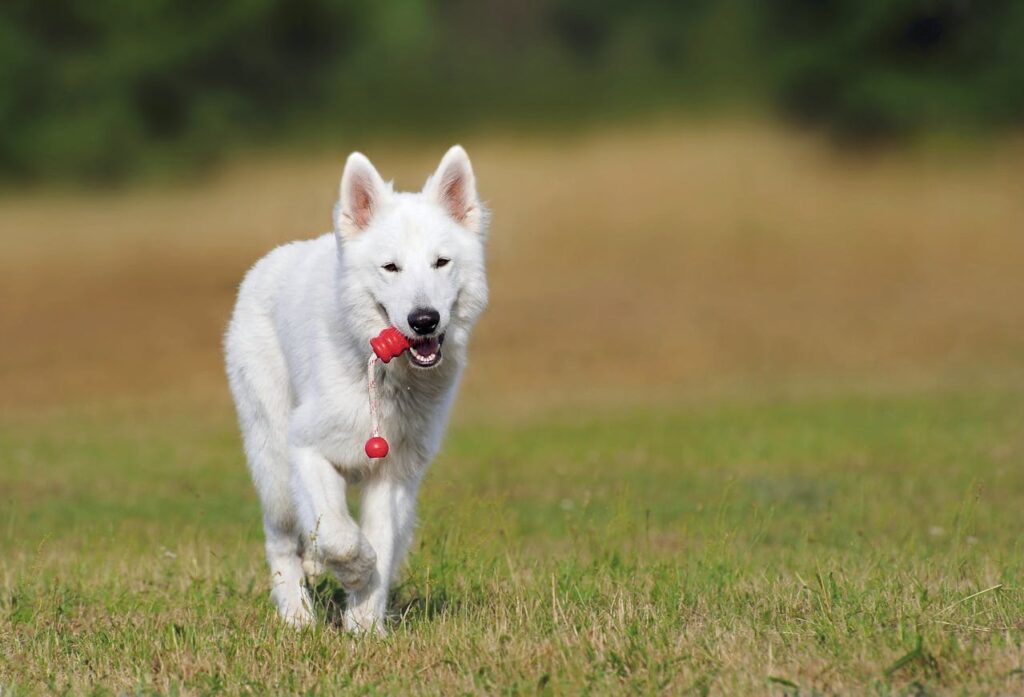
Understanding personality through play
Dogs don’t just play for fun—their toy preferences reveal emotions, instincts, stress levels, confidence, and even how they see the world. Whether your dog carries a plush toy everywhere or lives for tennis-ball fetch, each choice tells a story.
This guide breaks down the most common dog toy types and what each one suggests about your dog’s temperament, needs, and inner world.
_____
Why Toy Preference Matters
Dogs use toys for comfort, stimulation, social bonding, and emotional expression.
A dog’s favorite toy can give insight into:
Their energy levels
Their emotional stability
Their attachment style
Their confidence
Their instinctual drives
Their stress-relief habits
If you want to understand your dog more deeply, look at what they choose to play with—and how they play.
1. Plush Toys: The Comfort-Seekers & Nurturers
Behavior: Your dog gently carries plush toys, grooms them, or sleeps with them.
What it says about them:
Dogs who favor plush toys often have:
A strong nurturing instinct
A soft, affectionate temperament
A preference for calm play
A desire for comfort and emotional security
They’re typically sensitive, people-oriented, and may follow you from room to room. Plush-toy lovers are often dogs who “mother” their toys or treat them gently.
Best Match For:
Dogs who are social, gentle, or easily stressed.
2. Squeaky Toys: The Hunters & Problem-Solvers
Behavior: They chase, pounce on, or violently shake the toy after it squeaks.
What it says about them:
These dogs have:
Strong predatory instincts
High energy
A curious and easily stimulated mind
A love for cause-and-effect play
They like toys that “fight back,” so to speak.
These dogs are often bold, alert, and sometimes mischievous.
Best Match For:
Active dogs who need regular mental and physical engagement.
3. Rope Toys: The Social Players
Behavior: They initiate tug-of-war, bring the rope to you, or engage other dogs.
What it says about them:
Rope-toy lovers tend to be:
Social extroverts
Confident
Motivated by teamwork and interaction
Naturally competitive
These dogs thrive on shared play and love games that involve cooperation or friendly tension.
Best Match For:
Dogs who enjoy bonding activities and interactive games.
4. Balls: The Athletes & Goal-Chasers
Behavior: They never stop retrieving, beg for throws, or drop the ball in your lap.
What it says about them:
Ball-obsessed dogs often have:
High chase drive
Above-average athleticism
Exceptional focus
A structured, purposeful mindset
These dogs need regular physical output, or they may become restless or destructive.
Best Match For:
Active breeds, working dogs, and high-energy personalities.
5. Chew Toys: The Independent Thinkers
Behavior: They gnaw in one spot for long periods.
What it says about them:
Chew-toy enjoyers are typically:
Calm and independent
Focused and determined
Excellent at self-soothing
Content spending time alone
These dogs value routine and personal space. They chew to relax, keep busy, or relieve mild stress.
Best Match For:
Dogs prone to boredom or those who enjoy quiet, solo activities.
6. Puzzle Toys: The Brains of the Pack
Behavior: They solve puzzles quickly, flip mechanisms, or outsmart treat-dispensing toys.
What it says about them:
Puzzle-toy fans are:
Highly intelligent
Food-motivated
Persistent problem-solvers
Easily bored by simple play
These dogs excel with mental challenges and often learn tricks faster than average.
Best Match For:
Dogs who need cognitive stimulation to avoid frustration.
7. “Anything They Can Shred”: The Stress-Relievers
Behavior: They destroy toys within minutes.
What it says about them:
Shredders often have:
High tension or excess energy
A need for emotional release
Strong prey instincts
Potential boredom or anxiety
Shredding feels satisfying and can release pent-up stress—BUT it also signals that these dogs need more structured stimulation.
Best Match For:
High-energy dogs who need durable toys and guided play.
8. Toys They Refuse to Share: The Resource-Guarders
Behavior: They hide toys, guard them, or become tense when others approach.
What it says about them:
These dogs may be:
Anxious about losing valued items
Overly attached
Unsure of boundaries
Still learning trust in their environment
With training and consistency, this behavior can be gently reduced.
Best Match For:
Calm, predictable environments with structured routines.
How to Use This Information to Improve Your Dog’s Life
Understanding toy preferences helps you:
✔ Choose the right training rewards
✔ Reduce behavior issues
✔ Improve bonding
✔ Provide better enrichment
✔ Understand their emotional needs
Play is communication.
When you learn your dog’s play style, you learn their personality language.
When to Be Concerned About Toy Behavior
Some behaviors signal deeper issues:
Obsessive chewing → anxiety or boredom
Guarding toys → insecurity or resource-guarding
Sudden lack of interest in toys → illness or depression
Constant shredding → overstimulation
If you notice sudden changes, consider consulting a vet or certified trainer.
Final Thoughts: Your Dog’s Toys Are Windows Into Their Mind
Toy preference isn’t random—it’s a reflection of drive, temperament, stress level, confidence, and bonding style.
Next time your dog picks up a toy, pay attention.
It might be telling you more than you think.