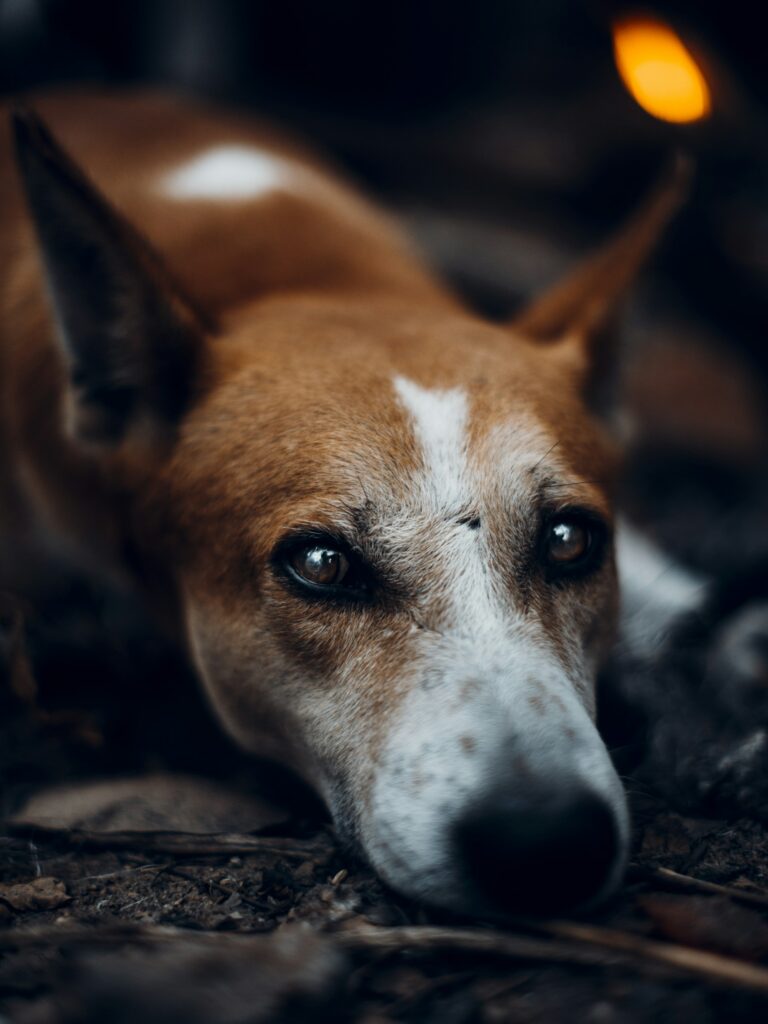
Recognizing trauma — and helping them heal
Not every shelter dog was abused — but many were neglected, mishandled, intimidated, or emotionally damaged in ways that shape their behavior. Trauma does not always show up as scars or injuries — sometimes the signs are quiet, subtle, and easy to misinterpret.
This guide helps you understand what past abuse looks like, how to respond, and how to gently rebuild trust.
_____
1. Flinching or Cowering at Sudden Movements
If a dog reflexively ducks, withdraws, or trembles when you raise your hand or move quickly, it may indicate a history of physical intimidation or punishment.
Signs:
lowering head
tail tucked
white of eyes visible
backing away
Dogs who trust humans don’t brace for impact.
2. Fear of Certain People (Men, Kids, or Specific Clothing)
If a dog reacts differently around:
men
tall figures
children
baseball caps
boots
loud voices
…it may be linked to the identity of a former abuser.
Dogs remember emotional imprints, not just specific events.
3. Freezing or “Shutting Down” Under Stress
Abused dogs sometimes go into learned helplessness, becoming motionless instead of reacting.
This looks like:
stiff posture
silent stillness
no eye contact
glazed expression
This is not calmness — it’s emotional shutdown.
4. Extreme Noise Sensitivity
Abused dogs often startle at:
clapping
doors closing
object dropping
footsteps
thunder
This may indicate they experienced yelling, slamming, or unpredictable environments.
5. Hypervigilance — Always “On Guard”
Signs include:
wide eyes
scanning environment
pacing
inability to settle
constant monitoring of people
They’re not being “alert” — they’re being survival-ready.
6. Fear of Touch or Grooming
If they recoil from petting or flinch during brushing or bathing, this can point to:
rough handling
forced grooming
restraint-based punishment
Touch should be a comfort, not a threat.
7. Startling at Collars, Leashes, or Restraint
This may indicate:
harsh leash corrections
choking
dragging
tethering abuse
They associate restraint with fear, not guidance.
8. Anxiety in Confined Spaces
If a dog panics in:
crates
bathrooms
narrow hallways
…it may relate to being locked up as punishment.
9. Food-Related Anxiety or Guarding
Dogs who lived with scarcity, competition, or food deprivation may:
inhale food rapidly
guard bowls
growl near food
panic when approached mid-meal
This is not bad behavior — it’s survival instinct.
What NOT to Do
don’t reach for their head
don’t corner them
don’t force interaction
don’t punish fear
don’t rush progress
don’t assume guilt or “bad” behavior
Fear is not disobedience — it’s learned protection.
What to DO Instead
✔ Move slowly
Let them observe your movements.
✔ Allow them to initiate contact
Trust built by choice lasts longer.
✔ Reward curiosity
Acknowledge every brave moment.
✔ Create predictable routines
Trauma thrives in uncertainty.
✔ Provide safe retreat spaces
A comfortable corner or crate becomes a sanctuary — not a prison.
✔ Use gentle positive reinforcement
Never force affection or compliance.
When to Seek Professional Help
Consider consulting a trainer or behaviorist if your dog shows:
intense fear aggression
uncontrollable panic
autonomic shutdown
compulsive behaviors
inability to bond
A trauma-informed professional can make life-changing progress.
Final Thought
The fact that a dog was abused in the past is not a story of brokenness — it’s a story of survival. With love, patience, and consistency, even the most fearful dog can learn that humans are safe again.