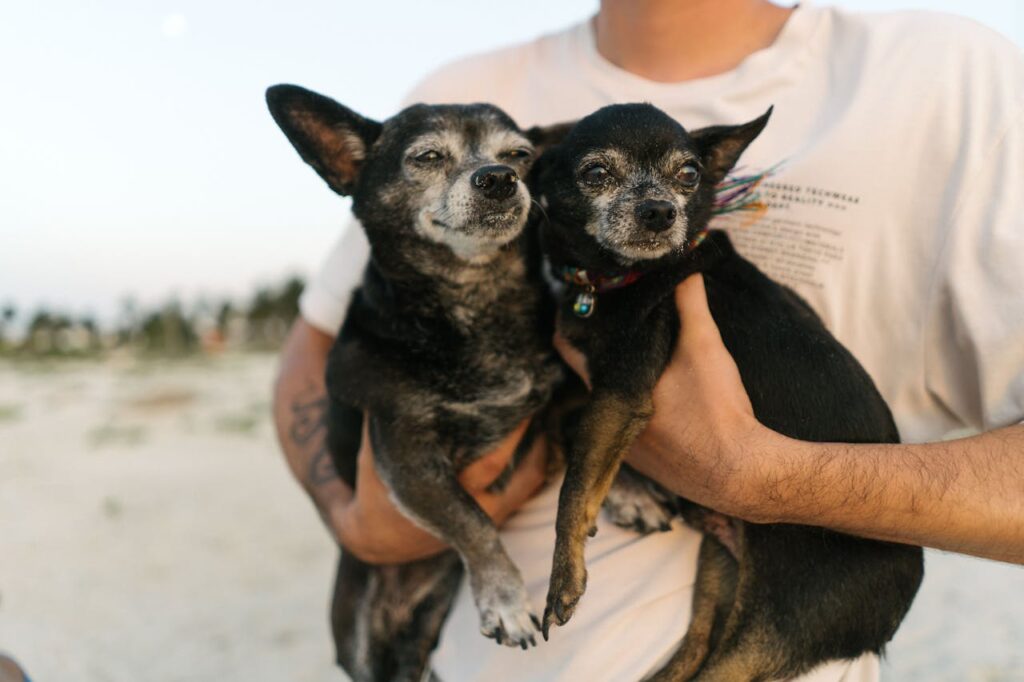
The hidden bias hurting millions of great dogs — and what actually works
In shelters across the United States, one quiet pattern repeats itself every day:
black dogs wait longer to be adopted.
They aren’t less friendly.
They aren’t more aggressive.
They aren’t harder to train.
Yet they’re consistently overlooked — a phenomenon known as Black Dog Syndrome.
Understanding why this happens is the first step toward changing it.
_____
1. What Is Black Dog Syndrome?
Black Dog Syndrome describes the tendency for black-coated dogs to be:
adopted more slowly
passed over repeatedly
euthanized at higher rates
This isn’t a myth — it’s an observed shelter trend reported by rescue workers nationwide.
And it has nothing to do with behavior.
2. The Psychology Behind the Bias
Several subconscious factors influence adopters:
Visual Perception
black dogs photograph poorly under harsh shelter lighting
facial features are harder to read
eye contact appears less expressive in photos
In a world driven by online listings, this matters more than people realize.
3. Cultural Myths and Symbolism
For centuries, black animals have been linked (unfairly) with:
bad luck
danger
aggression
fear
These associations still linger in modern thinking — even when people don’t realize it.
4. Media Influence and Breed Stereotypes
Movies, TV shows, and news stories often portray:
dark-colored dogs as villains
lighter dogs as family-friendly
When combined with breed stereotypes, black dogs — especially larger ones — face a double disadvantage.
5. Shelter Environment Works Against Them
Shelter conditions unintentionally hurt black dogs:
dim lighting
dark kennels
low-contrast backgrounds
fast walk-throughs by adopters
In busy shelters, dogs get seconds to make an impression.
Black dogs are easier to miss.
6. Why This Has Nothing to Do With Temperament
Studies and shelter data show:
coat color does not predict aggression
black dogs are no harder to train
behavior differences come from upbringing, not color
A black dog’s personality is shaped by the same factors as any other dog.
7. How Shelters Are Fighting Back (What Works)
Successful strategies include:
professional photography with light backgrounds
colorful bandanas or collars
outdoor photos instead of kennel shots
spotlight features on social media
renaming dogs to sound friendly and warm
Small visual changes make a huge difference.
8. What Adopters Can Do to Change the Pattern
If you’re adopting:
spend time with dogs outside their kennel
read behavior notes, not just appearance
ask staff which dogs get overlooked
challenge your own first impressions
Many families report their best dog ever was the one they almost skipped.
9. Why Adopting a Black Dog Is Often Extra Rewarding
Black dogs are often:
calmer (after longer shelter stays)
deeply bonded once adopted
overlooked gems with stable temperaments
They don’t come with baggage — they come with patience.
10. Changing the Narrative Starts With Awareness
Bias doesn’t disappear on its own.
It fades when people talk about it, question it, and act differently.
Every adoption choice sends a message.
Final Thought
Black dogs don’t need saving from themselves.
They need saving from perception.
When you look past color and into character, you’ll often find the most loyal companion you’ll ever know — quietly waiting.