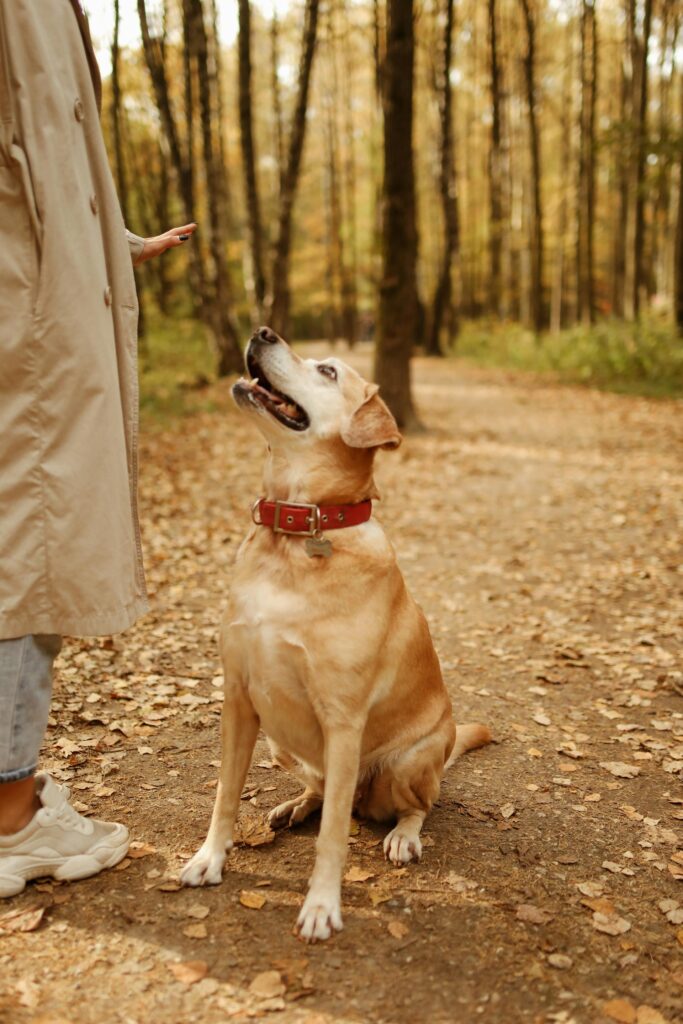
Training your dog isn’t just about obedience — it’s about building trust, understanding, and communication.
Whether you’ve just welcomed a new puppy or want to improve your adult dog’s manners, mastering the basic commands — Sit, Stay, and Come — sets the foundation for every other skill.
Here’s how to teach them effectively, with patience, consistency, and positive reinforcement.
_____
1. Sit: The Foundation of Obedience
The “Sit” command is often the first lesson because it’s simple and practical. A dog that knows how to sit can stay calm before meals, while greeting people, or waiting at the door.
How to teach it:
Hold a small treat close to your dog’s nose.
Slowly move your hand upward — their head will follow, and their bottom will naturally lower to the ground.
As soon as they sit, say “Sit” clearly and reward them with the treat and praise.
Repeat several times a day for short sessions (5–10 minutes).
🐾 Pro Tip: Always give the command before the reward, and avoid repeating it too often — one clear “Sit” is enough.
2. Stay: Building Patience and Control
The “Stay” command teaches your dog impulse control — essential for safety and discipline.
It’s especially useful when you need your dog to remain calm in distracting or risky situations.
How to teach it:
Ask your dog to Sit.
Open your palm in front of them and firmly say “Stay.”
Step back one pace, then return and reward them if they haven’t moved.
Gradually increase distance and duration.
If your dog moves too soon, calmly reset without punishment.
Consistency is key — practice short intervals and end on a success.
🐶 Remember: Dogs learn better when they feel confident, not pressured. Use calm energy and gentle tone.
3. Come: The Lifesaving Command
“Come” is one of the most important commands because it can literally save your dog’s life — whether you’re at the park, near traffic, or just calling them inside.
How to teach it:
Start indoors or in a quiet yard.
Crouch down, open your arms, and happily call your dog’s name followed by “Come!”
When they approach, reward them instantly and enthusiastically.
Avoid using “Come” when you’re about to do something your dog dislikes (like bath time), or they’ll start to ignore it.
Make every recall a positive experience — the goal is for your dog to want to come to you.
4. Tips for Successful Training
Training is about communication, not control. Here are key tips to make learning faster and more enjoyable:
Keep sessions short — dogs learn best in bursts of 5–10 minutes.
Use positive reinforcement — treats, praise, or playtime.
Avoid shouting or punishment — it damages trust.
Practice daily in different environments (home, park, street).
Be patient — progress may take days or weeks depending on your dog’s personality.
🎯 Fun idea: Turn training into a game! Hide behind a door and call “Come” — reward them for finding you.
5. Building Beyond the Basics
Once your dog masters Sit, Stay, and Come, you can expand to more advanced commands like “Down,” “Leave it,” or “Heel.”
These build on the same foundation of attention, patience, and trust. The more your dog practices, the stronger your bond becomes.
Final Thoughts
Teaching your dog basic commands isn’t just about obedience — it’s about mutual respect, safety, and teamwork.
With patience, consistency, and lots of encouragement, any dog can learn to listen happily and confidently.
Because in the end, training isn’t about control — it’s about understanding and connection between you and your best friend. 🐾