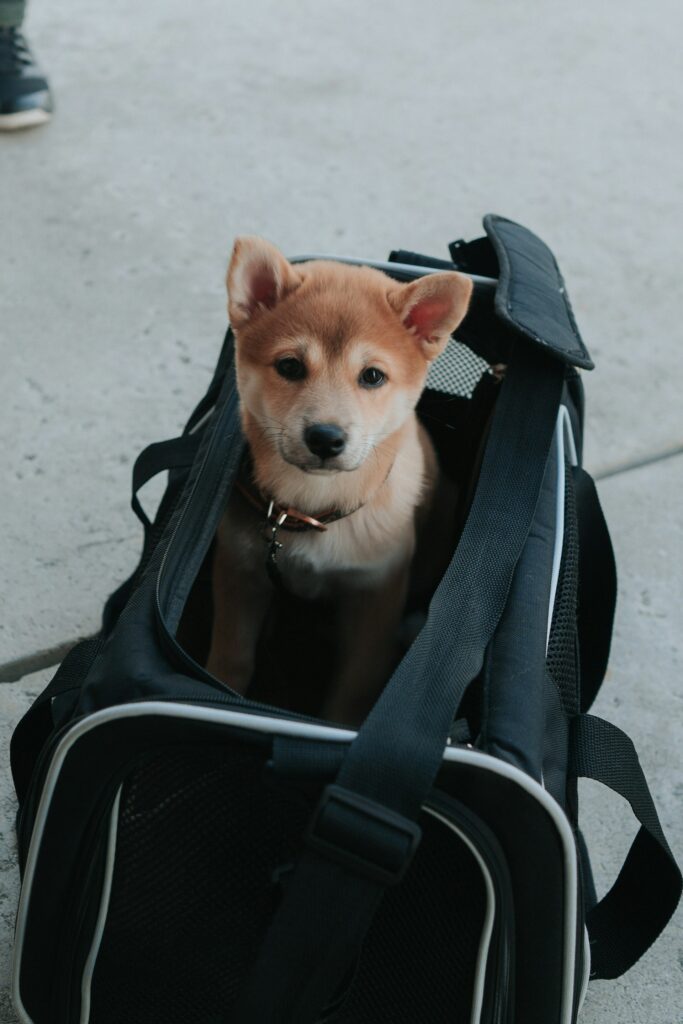
Bringing home a rescue dog is one of the most rewarding experiences a pet lover can have — but it’s also one of the most misunderstood.
Many new adopters expect instant cuddles, affection, and bonding… only to be surprised when their rescue dog shuts down, hides, avoids eye contact, or acts completely different from how they behaved at the shelter.
This is normal.
Your rescue dog isn’t ungrateful, stubborn, or broken — they’re overwhelmed, processing trauma, and learning what “home” truly means.
The first week is the foundation of your entire relationship.
Here’s exactly what to expect — and how to make your dog feel safe, secure, and understood from day one.
_____
🧠 1. The “Decompression Phase” Begins Immediately
Every rescue dog — even confident ones — experiences a decompression period.
This is the emotional reset they need after stressful environments, uncertainty, or past instability.
Common behaviors during decompression:
hiding behind furniture
refusing food for the first 24–48 hours
excessive panting or pacing
sleeping more than usual
shutting down emotionally
avoiding eye contact
clinginess (shadowing you everywhere)
💡 This is not misbehavior. It’s survival mode.
Your job this week is to remove expectations and let your dog simply exist.
🏡 2. Your Dog Will Explore Slowly — or Not at All
Some rescue dogs immediately inspect every corner of their new home.
Others stick to one room and won’t move.
Both are normal.
What you should do:
Let them go at their pace
Keep doors to unsafe areas closed
Provide a calm, predictable environment
Avoid overwhelming them with new people
A rescue dog’s confidence builds slowly — allow it.
🍽️ 3. Eating and Drinking May Be Inconsistent
A rescue dog’s appetite is one of the best indicators of stress.
Don’t panic if they:
eat slowly
skip the first few meals
only drink when you’re not watching
refuse unfamiliar food
Help them adjust by:
mixing old food (if provided) with new food
offering warm, aromatic meals
feeding in a quiet, private area
💡 Stress suppresses appetite — this is temporary.
🚶♂️ 4. Walks Might Be Overwhelming at First
New sights, smells, noises, and movement can be too much for a rescue dog in the first week.
Expect:
pulling
freezing
scanning the environment constantly
barking at unfamiliar dogs
wanting to return home quickly
What helps:
short walks
quiet routes
harness instead of collar
predictable schedules
The goal is comfort, not perfect training — yet.
👨👩👧👦 5. Don’t Introduce Too Much Too Fast
Your rescue dog is navigating a new environment, new family, new routines, and possibly new pets.
Adding guests, dog parks, or big social events creates sensory overload.
Avoid during week one:
meeting lots of visitors
dog parks
pet stores
long road trips
visiting relatives
chaotic environments
💡 Home first. Everything else later.
🐕🦺 6. Boundaries Are Your Best Friend
Many new adopters feel guilty for setting rules — but rescue dogs NEED structure to feel safe.
Set boundaries early:
feeding schedule
bathroom routine
sleeping area
off-limits rooms
leash rules
calm indoor behavior
Rules create security.
Inconsistency creates anxiety.
🫶 7. Allow Your Dog to Come to You
The fastest way to build trust isn’t approaching your rescue dog — it’s letting them choose when to approach you.
Use “invitation posture”:
sit on the floor
avoid direct eye contact
turn your body sideways
speak softly
let them sniff and explore you freely
This non-threatening posture speeds up bonding dramatically.
🎮 8. Use Enrichment to Build Confidence
During the first week, mental stimulation is more important than physical exercise.
Best enrichment for rescue dogs:
snuffle mats
lick mats
chew toys
puzzle feeders
frozen Kongs
soft plush toys
Enrichment reduces stress, builds confidence, and teaches independence.
🛌 9. Expect Sleep — Lots of It
Many rescue dogs sleep 14–20 hours a day during the first week.
This doesn’t mean they’re lazy — it means they’re recovering.
Shelters are loud, chaotic, and stressful.
Finally being safe takes an enormous emotional toll.
💡 Sleep is healing.
💛 10. The Bond Won’t Be Instant — And That’s Okay
Movies show instant love.
Real rescue stories show slow, deep trust built through small, consistent actions.
The first week is about:
safety
predictability
comfort
non-verbal bonding
gentle structure
Love comes — and when it does, it’s stronger than anything else.
💛 Final Thoughts
Your first week with a rescue dog will be emotional, unpredictable, and incredibly meaningful.
You are not just offering a home —
You are rewriting their story.
Go slow.
Stay patient.
Celebrate small wins.
Your dog may not understand yet, but they will:
They are finally safe. They are finally home. And you are their person.