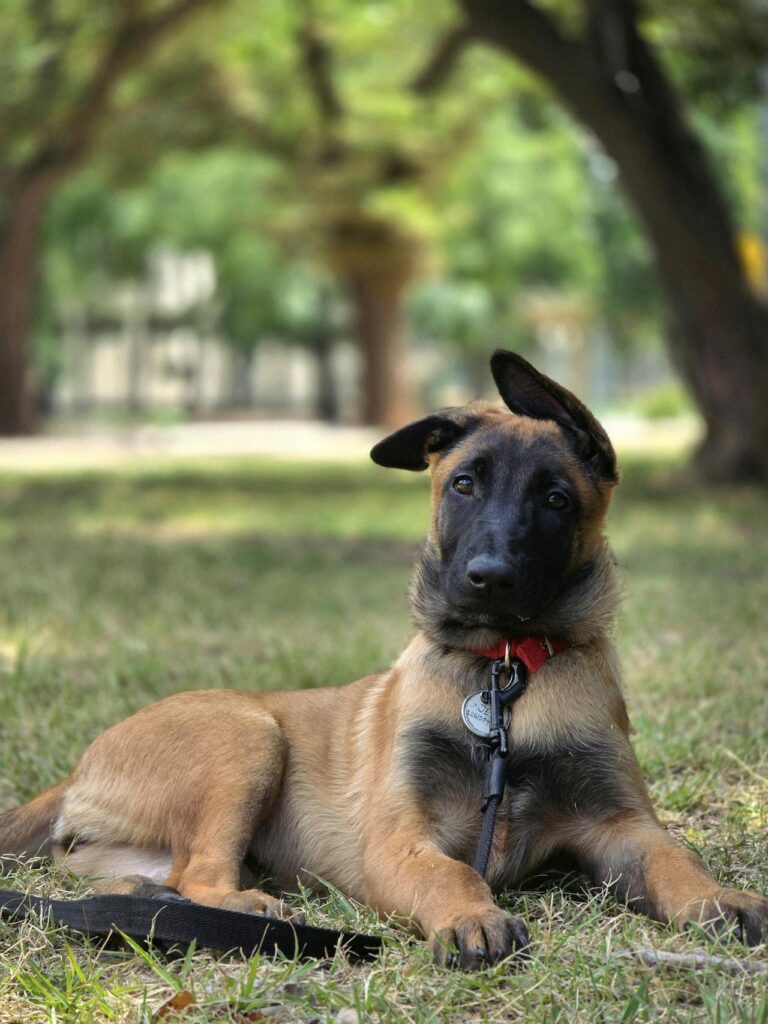
Why rare, overlooked breeds are suddenly winning hearts again
For decades, a handful of popular breeds dominated American households. But something interesting is happening in 2026: forgotten dog breeds are quietly making a comeback.
These aren’t trendy designer mixes or viral social-media stars. They’re purpose-bred, historically important dogs that were pushed aside by fashion — and are now being rediscovered by thoughtful owners.
Here’s why it’s happening, and which breeds are leading the revival.
_____
Why Forgotten Breeds Are Returning
Several cultural shifts are driving this comeback:
dog owners want healthier, more predictable temperaments
interest in ethical breeding is rising
overcrowded shelters are changing adoption conversations
people want dogs that fit real lifestyles, not trends
social media is spotlighting uniqueness over popularity
In short: people are choosing dogs with intention again.
1. The Clumber Spaniel
Once popular with European nobility, the Clumber Spaniel nearly disappeared from modern households.
Why it’s coming back:
calm, affectionate temperament
low reactivity compared to flashier spaniels
excellent family companion
Best for: quiet homes, older owners, relaxed lifestyles.
2. The Belgian Laekenois
Overshadowed for years by the Malinois, the Laekenois is finally being appreciated on its own terms.
Why it’s coming back:
strong bond with owners
protective without extreme intensity
lower popularity keeps breeding standards higher
Best for: experienced owners who want loyalty without chaos.
3. The American Foxhound
Long associated with hunting, this breed was often misunderstood as “too independent.”
Why it’s coming back:
gentle with people
athletic but not hyper
adaptable to suburban life with exercise
Best for: active families who enjoy outdoor routines.
4. The Skye Terrier
Once a symbol of loyalty in Scotland, Skye Terriers almost vanished.
Why it’s coming back:
deeply devoted to one or two people
calm indoors
less needy than many toy breeds
Best for: apartment dwellers seeking a low-key companion.
5. The Finnish Spitz
This ancient bark-pointing breed was rare outside Scandinavia.
Why it’s coming back:
alert without aggression
independent yet affectionate
unique personality that appeals to modern owners
Best for: people who value personality over obedience perfection.
6. The Otterhound
With fewer than a thousand worldwide at one point, Otterhounds are one of the rarest breeds.
Why it’s coming back:
friendly, goofy temperament
excellent with families
low aggression tendencies
Best for: rural or semi-rural homes with space.
7. The Sussex Spaniel
Often mistaken as slow or stubborn, Sussex Spaniels are finally being re-evaluated.
Why it’s coming back:
emotionally intuitive
steady energy
excellent with children
Best for: families wanting reliability over excitement.
8. The Chinook
Developed in the U.S. as a sled dog, Chinooks were overshadowed by Huskies.
Why it’s coming back:
calmer than most northern breeds
people-oriented
strong work ethic without destructiveness
Best for: owners who love large dogs without extreme behavior.
Why These Breeds Were Forgotten in the First Place
Most of these breeds didn’t disappear because of flaws. They were replaced by:
flashier looks
faster trends
celebrity influence
marketing, not suitability
Now that owners prioritize compatibility over popularity, these dogs finally get attention again.
Are Forgotten Breeds Healthier?
Often, yes.
Lower popularity usually means:
fewer irresponsible breeders
less overbreeding
more genetic diversity
stronger breed stewardship
That doesn’t mean zero health issues — but it does mean less trend-driven damage.
What to Know Before Choosing a Rare Breed
Before jumping in:
research grooming and exercise needs
expect waitlists from ethical breeders
be patient — rarity means availability is limited
understand temperament, not just appearance
Choosing a rare breed is a responsibility, not a flex.
Final Thought
Forgotten dog breeds aren’t making a comeback because they’re fashionable.
They’re returning because people are finally asking better questions.
When owners stop asking “What’s popular?” and start asking “What fits my life?” — these breeds shine again.
Sometimes, the best dogs were never lost.
They were just waiting to be chosen for the right reasons.